
Residential Japanese Knotweed Removal
Get in touchAt Top Japanese Knotweed Removal, we specialise in residential Japanese knotweed removal, ensuring your property is free from this invasive plant. Our services include detailed assessments, effective treatment plans, and long-term monitoring solutions.
We use methods like herbicide treatments, excavation, and root barriers to remove knotweed from both small gardens and larger residential properties. Contact us to discuss how we can help safeguard your home against the impact of Japanese knotweed in the area.
What Is Residential Japanese Knotweed Removal?
Residential Japanese knotweed removal involves eliminating the invasive plant from residential properties. At Top Japanese Knotweed Removal, this service addresses the specific challenges knotweed poses to homes.
We identify infestations using techniques such as rhizome mapping to locate underground growth, and we assess their severity to tailor our approach.
Our methods include options such as chemical treatments using approved herbicides like glyphosate, a systemic solution that targets root growth, and excavation of contaminated soil to halt the spread. Additionally, we employ barriers, made from materials like geomembranes, to prevent further growth into sensitive areas.
Adhering to guidelines from the Environment Agency, our goal is to protect your property's structure and value while ensuring compliance with regulations. If you need assistance, contact us to preserve your residential space.
What Types of Residential Japanese Knotweed Removal Are Available?
In , we provide several methods for Japanese knotweed removal, tailored to suit different property needs, each with its own applications and benefits.
Herbicide Treatment: A cost-effective solution using approved chemicals over multiple growing seasons. This method reduces the plant's vigour and is compliant with Environment Agency guidelines for domestic properties, making it suitable for garden settings.
Excavation and Offsite Disposal: Immediate removal by digging out affected soil and transporting it to a licensed disposal facility. This method is ideal for redevelopment sites, ensuring that construction is not impeded by the presence of knotweed.
Root Barrier Installation: Prevents regrowth by installing barriers during construction or landscaping projects. These barriers adhere to British Standard BS 3882, providing a reliable shield that integrates seamlessly with underground utilities.
Onsite Burial and Capping: A contained solution for large properties without transporting soil offsite. By capping with a protective layer of concrete or membrane, this method is effective for sites where privacy and security are prioritised.
Our approach ensures the solution chosen aligns with both your property's requirements and regulatory standards. Reach out to discuss the best option for your needs.
What Does Residential Japanese Knotweed Removal Cover?
Residential Japanese knotweed removal primarily targets domestic properties, including gardens, lawns, and the surrounding environment. We cater to homes with varying levels of infestation, ensuring comprehensive removal and future prevention.
Our methods include stem-injection and foliar spraying, which are particularly effective in reducing regrowth rates. For properties with sensitive ecological concerns or those located near public pathways, we offer root barrier installation to prevent underground spread.
In , our techniques are particularly effective for properties with nearby watercourses or construction sites, which are high-risk areas for rapid knotweed spread.
We adhere to guidelines set by The Environment Agency and adhere to the standards outlined in the Code of Practice for the Management of Japanese Knotweed. Our service is not suitable for agricultural land or commercial properties.
If you suspect an infestation, contact us to schedule a survey and discuss your treatment options.
When Is Residential Japanese Knotweed Removal Needed?
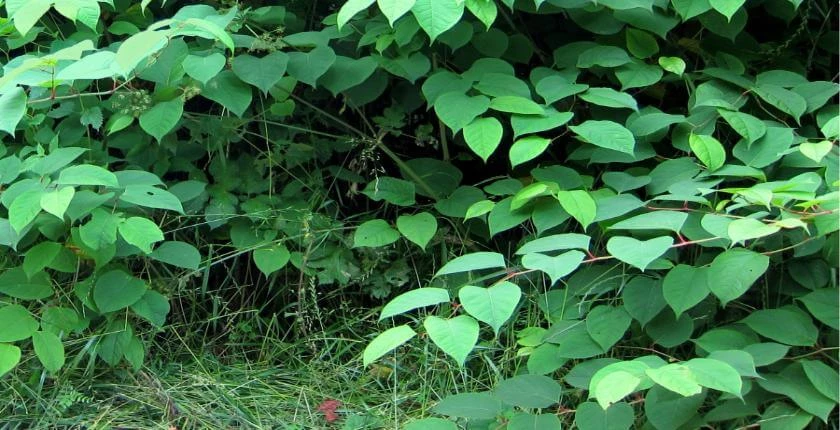
Residential Japanese knotweed removal is necessary when the plant is identified on or near your property. Knotweed is known for its bamboo-like canes with reddish-purple shoots and shovel-shaped leaves, and its presence can lead to structural damage by penetrating foundations, walls and drainage systems.
Spring and summer are crucial times for identification and treatment, as this is when knotweed grows most aggressively, reaching heights of up to three metres. During these months, the plant stores energy in its extensive underground rhizome network, making early intervention key.
Our removal process often involves herbicide treatments, following Environment Agency guidelines, to target and destroy the invasive root system. If chemical treatment isn't suitable, excavation might be required, removing contaminated soil down to a depth of around three metres.
Contact us at the first signs of infestation to prevent further damage and mitigate legal liabilities.
How Does Residential Japanese Knotweed Removal Work?
We follow a structured approach to removing Japanese knotweed from residential sites, ensuring compliance with environmental regulations and industry standards.
Survey and Identification: Conduct a detailed assessment of the property to identify the extent of the infestation and map its precise locations using tools like GPS mapping for accuracy. This step also includes soil sampling to detect hidden rhizomes.
Treatment Plan Development: Customise a removal plan using the best-suited methods such as chemical treatments with glyphosate-based herbicides, which are effective in killing the plant systemically. Alternatively, physical methods might include cutting and digging out the rhizomes.
Implementation: Apply treatments such as herbicides over several growing seasons or conduct excavation and root barrier installation to prevent the spread. Root barriers are typically installed at a depth of 2 metres using polyethylene materials to block the rhizomes.
Monitoring and Maintenance: Conduct regular checks, typically over a three to five-year period, to ensure full eradication and prevent regrowth. We assess the site's progress, checking for new growth and retreating as necessary.
With our structured approach, we offer homeowners peace of mind that their Japanese knotweed problem is managed effectively.
How Long Does Residential Japanese Knotweed Removal Take?
The duration of Japanese knotweed removal can vary depending on the method chosen and the extent of the infestation. Herbicide treatments typically take two to five growing seasons for full effectiveness, with follow-up assessments to ensure eradication.
We use systematic herbicide application techniques that comply with Environment Agency guidelines.
Excavation can often be completed within a week, contingent on the area size and site access. We employ root barriers and soil sifting to ensure thorough removal, reducing the risk of regrowth.
Both mechanical control methods and integrated pest management strategies are available to suit different site conditions.
Long-term monitoring and maintenance are essential to prevent regrowth. Our approach includes post-treatment surveys and ongoing site evaluations to identify any resurgence early.
This comprehensive process ensures timely and effective results. Contact us to discuss your knotweed removal needs.
Who Needs Residential Japanese Knotweed Removal?
In , homeowners, landlords, and property managers often require Japanese knotweed removal services. Properties in close proximity to areas of high risk, such as railway embankments and watercourses, are particularly susceptible to infestation.
Japanese knotweed can spread rapidly, damaging concrete foundations and drainage systems if not treated promptly. Homes with planned construction or landscaping projects need knotweed management to ensure compliance with property sale regulations and mitigate the risk of structural and environmental harm.
Effective removal typically involves excavation and herbicide treatment following guidance from the Environment Agency. For instance, methods like stem injection facilitate targeted delivery of herbicides, protecting native plant species while eliminating knotweed.
Ensuring the property is surveyed by a professional before commencing work helps in assessing the level of infestation and planning appropriate eradication strategies. Contact us for a survey and tailored knotweed management plan.
How Much Does Residential Japanese Knotweed Removal Cost?
Residential Japanese knotweed removal typically costs between £1,000 and £5,000, depending on the treatment required and extent of infestation. Factors influencing the cost include the size of the affected area, method chosen, and need for long-term monitoring.
The chosen method could vary from herbicide treatment, which often requires multiple applications over a growing season, to excavation, where affected soil is removed and disposed of at specialised waste centres. The knotweed's proximity to buildings or sensitive ecosystems may also affect pricing, as additional precautions or measures may be required.
Additionally, compliance with regulations like the Environmental Protection Act 1990 is essential, ensuring legal and safe disposal of removed knotweed material. We offer competitive quotes based on the specific needs of your property.
Contact us for a tailored assessment and detailed plan to effectively manage and remove Japanese knotweed.
What Are the Benefits of Residential Japanese Knotweed Removal?
Removing Japanese knotweed offers numerous advantages for homeowners:
Property Value Protection: Prevents depreciation due to knotweed infestation, which can otherwise deter potential buyers and even halt sales. Mortgage lenders may require an eradication plan as a condition of financing.
Structural Integrity: Reduces risk of damage to buildings and hardscapes. Knotweed roots can grow up to 3 metres deep, potentially impacting foundations, driveways, and garden walls.
Legal Compliance: Meets obligations for property transactions, crucial when selling or leasing. Under laws like the Anti-social Behaviour, Crime and Policing Act 2014, controlling knotweed is a legal requirement to prevent it from spreading to neighbouring properties.
Environmental Safety: Reduces the spread of this invasive species, protecting native plants and local ecosystems. We follow the Environment Agency's Knotweed Code of Practice to ensure effective management.
By addressing these issues, homeowners maintain their property's condition and marketability. Contact us today to safeguard your home.
Why Choose Top Japanese Knotweed Removal for Residential Services?
At Top Japanese Knotweed Removal, we combine expertise, cutting-edge methods, and a client-focused approach to deliver effective solutions. We employ a variety of control techniques, including herbicidal treatment using glyphosate-based chemicals approved by the Environmental Agency, ensuring effective eradication without harming the surrounding flora.
Our dedicated team provides thorough assessments, using ground-penetrating radar (GPR) to detect underground rhizomes. After a detailed site analysis, we develop personalised treatment plans that comply with the Invasive Species Action Plan.
Our diligent aftercare, including regular monitoring visits, ensures the Japanese knotweed does not re-emerge, thereby maintaining the structural integrity of your property. We understand the urgency for homeowners and commit to managing cases promptly, typically within two to three weeks.
Contact us for reliable and professional knotweed management, ensuring your property remains safe and compliant.
Residential Japanese Knotweed Removal: Frequently Asked Questions
How much does it cost to remove Japanese knotweed?
Residential Japanese knotweed removal typically ranges from £1,000 to £5,000. This depends on the infestation's size and the removal method used.
How quickly can Japanese knotweed be removed?
Excavation can be completed in about a week, while herbicide treatments generally require two to five growing seasons. We offer tailored plans to fit your needs.
Can Japanese knotweed come back after treatment?
Yes, it can return if not properly managed. Regular monitoring and maintenance are crucial, which we provide as part of our services.
Is Japanese knotweed removal covered by insurance?
Insurance coverage varies by policy. We recommend checking with your insurer to understand your coverage regarding knotweed removal.
What areas do you cover?
We cover the entire region, including the surrounding postcode area. Contact us today to see how we can assist you.
Get a Free Quote for Residential Japanese Knotweed Removal
Contact us today to discuss your needs and request a free quote for residential Japanese knotweed removal.
Related Residential Japanese Knotweed Removal Services
Residential Japanese knotweed removal can address infestations affecting houses, gardens and other domestic properties. An initial Japanese knotweed survey can help determine the extent of the problem before the appropriate treatment route is selected.
Where chemical control is suitable, Japanese knotweed herbicide treatment can form part of the solution, while monitoring and aftercare can provide continued oversight after treatment.