
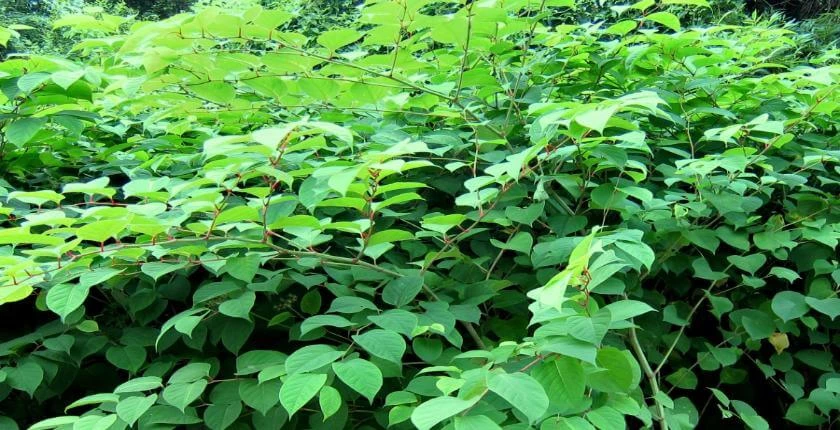
Japanese Knotweed Management Plan
Get in touchAt Top Japanese Knotweed Removal, we specialise in crafting comprehensive Japanese Knotweed Management Plans tailored to effectively manage and control the spread of this invasive plant. Our services include site surveys, risk assessments, and strategic treatment plans to mitigate knotweed threats for various clients, including residential properties and commercial sites.
We cover and the surrounding postcode area, offering expert advice and solutions.
What Is a Japanese Knotweed Management Plan?
A Japanese Knotweed Management Plan is a strategic approach designed to control and eradicate Japanese knotweed infestations effectively. At Top Japanese Knotweed Removal, we provide detailed assessments and customised plans to manage this invasive species.
Our plans involve precise identification and mapping of the infestation areas using GPS technology, which helps in tracking the spread and planning targeted interventions.
We use a variety of techniques such as herbicidal control using glyphosate-based products, excavation with specialised equipment to remove underground rhizomes, and on-site burial in accordance with the Environment Agency guidelines. Each plan ensures compliance with local regulations such as the Wildlife and Countryside Act 1981 and the Control of Pesticides Regulations (COPR).
Our management plans also include ongoing monitoring, typically conducted over 12 to 24 months, to ensure long-term eradication and prevention of re-growth. Safeguarding affected areas and mitigating potential damage to property foundations and structures is a priority.
Contact us for a detailed consultation and management strategy.
What Types of Japanese Knotweed Management Plans Are Available?
We offer a range of Japanese Knotweed Management Plans, each designed to meet specific site needs and client requirements.
Herbicide Treatment: This long-term solution involves repeated applications of glyphosate-based herbicides over the growing season, typically lasting three to five years. It's suitable for residential areas seeking gradual reduction of knotweed.
Excavation: We provide full removal of the knotweed and its rhizomes using specialised excavation machinery. This method is ideal for construction or development sites where immediate site clearance is needed and is performed in accordance with Environment Agency guidelines.
On-site Burial: Our method includes safe burial of knotweed within a geomembrane-lined pit on the property, complying with environmental regulations such as the Wildlife and Countryside Act 1981. This is a cost-effective solution where space allows.
Root Barrier Installation: We install physical barriers using high-density polyethylene (HDPE) membranes to prevent the spread of rhizomes and protect neighbouring properties from infestation.
These plans ensure effective control of Japanese Knotweed, aligning with both local regulations and best practices.
Contact us to discuss which plan is right for your property.
What Properties Are Suitable for Japanese Knotweed Management Plans?
Japanese Knotweed Management Plans are suitable for a variety of properties, including residential gardens, commercial spaces, and council-owned lands. These plans are also crucial for construction sites, ensuring that projects meet local Planning Authority requirements and comply with UK Environment Agency guidelines.
Our plans effectively manage infestations on affected properties and provide critical solutions for areas undergoing development, ensuring compliance and minimal disruption.
Each site is assessed using techniques like rhizome barrier installation and glyphosate herbicide treatment to prevent the spread of knotweed and protect nearby structures. We often involve surveys using technologies like Ground Penetrating Radar (GPR) to determine the extent of the root system.
It's important to act quickly to prevent structural damage and maintain property value. Our team evaluates each site to tailor the most effective treatment plan.
For further assistance, contact us to discuss the most suitable strategy for your property.
When Is a Japanese Knotweed Management Plan Needed?
A Japanese Knotweed Management Plan is needed when knotweed is identified on or near a property. These plans are essential for homeowners looking to maintain property value, developers embarking on construction projects, and councils overseeing public land.
Japanese knotweed can damage structures by growing through concrete, tarmac, and even the foundations of buildings, which may result in costly repairs if not addressed. We adhere to the Environmental Protection Act 1990 guidelines for waste disposal and control methods, ensuring all actions comply with relevant regulations.
Our management plans often include detailed site assessments using specialist equipment to map the extent of the infestation. This helps in planning effective treatment methods such as herbicide treatments or excavation.
Early detection and management are vital to prevent extensive damage. Our team can assess the situation and put together a proactive management plan to prevent further spread.
How Does a Japanese Knotweed Management Plan Work?
Our Japanese Knotweed Management Plan follows these steps:
Initial Site Survey: We conduct a thorough survey to assess the extent of the infestation, using tools such as geographic information systems (GIS) and GPS mapping to accurately record affected areas.
Risk Assessment: Evaluate potential impacts on the property and surrounding areas, considering factors like soil erosion, damage to building foundations, and interference with drainage systems.
Treatment Plan: Develop a tailored strategy, including methods like herbicide treatment and excavation, while adhering to Environment Agency guidelines. Herbicides used are typically glyphosate-based, known for their efficacy in knotweed control.
Implementation: Execute the treatment plan using professional techniques and equipment, such as stem injection systems and specialist excavation machinery to ensure thorough removal.
Monitoring: Regular follow-ups over at least two years, with inspections at strategic intervals, are conducted to ensure the knotweed is effectively controlled and to adjust treatments as necessary.
This structured approach ensures the knotweed is managed sustainably and effectively, aligning with industry-standard practices. Contact us to start your management plan today.
How Long Does a Japanese Knotweed Management Plan Take?
The duration of a Japanese Knotweed Management Plan typically varies depending on the infestation level and chosen methods. For herbicide treatment, it can take one to three years of monitoring and application for effective control, adhering to guidelines set by the Environment Agency for chemical usage.
Excavation or on-site burial, however, is a more rapid approach, usually taking a few days to weeks to complete, with immediate impact on the knotweed growth and the land's usability.
Our mechanical control methods involve cutting or mowing the knotweed multiple times during its growth season, which can take a few months to show visible results. Soil sifting may be employed as a complementary technique, ensuring that any rhizomes left in the soil are removed to prevent regrowth.
These methods are chosen based on the property type, whether residential or commercial, and the client's specific needs. Our specialists ensure compliance with legal obligations concerning Japanese Knotweed management.
For more detailed information or to discuss a plan tailored to your property's requirements, feel free to contact us.
Who Needs a Japanese Knotweed Management Plan?
Homeowners, property developers, commercial businesses, and local authorities all benefit from a Japanese Knotweed Management Plan. Knotweed can cause structural damage to buildings, particularly affecting foundations, walls, and drainage systems.
For homeowners looking to sell, addressing knotweed is crucial, as mortgage lenders often require a clearance certificate before approving loans. Property developers need plans to comply with the Wildlife and Countryside Act 1981, which mandates control of invasive species to avoid fines.
Local authorities must manage knotweed to protect public spaces and infrastructure, ensuring pedestrian safety and maintaining public pathways.
Our management plans include regular monitoring, herbicide treatment, and excavation where necessary, adhering to safety and environmental guidelines. By taking early action, you will minimise both immediate and long-term risks associated with this invasive plant.
Don’t delay in safeguarding your property; our expert plans are tailored for different environments and needs.
How Much Does a Japanese Knotweed Management Plan Cost?
A Japanese Knotweed Management Plan typically costs between £1,000 and £3,500. The price depends on the infestation size, site access, and selected treatment methods.
Factors like seasonal weather conditions can also affect the treatment effectiveness and, subsequently, the cost. We employ various treatment methods, including foliar spraying, stem injection, and excavation, each tailored to specific site conditions and client needs.
Herbicidal treatments using foliar spraying or stem injection generally cost less than excavation and root barriers, which are more intensive and used for severe infestations or high-risk sites like construction developments. For large-scale commercial sites, phased treatment plans may be necessary, spanning two to five years.
We offer detailed quotes after an initial site survey, ensuring transparency and tailored solutions. Contact us for a free, no-obligation assessment today.
What Are the Benefits of a Japanese Knotweed Management Plan?
At Top Japanese Knotweed Removal, our management plans offer several key benefits. Our team implements site Surveys using drones and traditional methods to accurately assess the extent of knotweed infestation.
This allows us to calculate precise treatment zones and prioritise areas needing immediate attention. We use industry-standard glyphosate treatments, which efficiently halt the spread of the plant and minimise regrowth.
Effective Control: Targeted treatment methods ensure knotweed is managed effectively, using techniques like stem injection and herbicidal sprays.
Compliance: Adherence to legal obligations and prevention of property devaluation, following Environment Agency guidelines and codes of practice.
Prevention of Damage: Protect structures such as foundations, walls, and drainage systems from damage due to invasive root systems that can penetrate concrete and other materials.
Tailored Approach: Customised plans based on specific site conditions and needs, ensuring flexibility in timing and methods for residential or commercial properties.
Our management plans are designed to offer long-term solutions, delivering peace of mind for property owners. Contact us today to discuss your needs.
Why Choose Top Japanese Knotweed Removal for a Japanese Knotweed Management Plan?
Choosing Top Japanese Knotweed Removal ensures expert management of Japanese knotweed. Our customised management plans are developed in accordance with the Environment Agency's guidelines, ensuring that all control measures are compliant with legal regulations.
We employ skilled technicians who are certified in using herbicides such as glyphosate and imazapyr. These trained professionals conduct thorough surveys to assess the extent of the infestation before developing a plan that includes measures like excavation and root barrier installation.
Additionally, we use state-of-the-art equipment like stem injection systems to ensure precise application.
Our expertise extends to serving a variety of properties such as residential areas, commercial lands, and construction sites, helping to prevent structural damage and protect property values. Our experience and professional approach mean you can trust us to manage knotweed responsibly.
Reach out to us for expert advice and tailored management solutions.
Japanese Knotweed Management Plan: Frequently Asked Questions
How much does a management plan cost?
Management plans typically range from £1,000 to £3,500. Factors like infestation size and method affect pricing.
How long does the treatment last?
Herbicide treatments may last one to three years, while excavation delivers immediate results. Timing depends on site specifics and infestation levels.
Can I sell my home with Japanese knotweed?
Yes, but a management plan is essential. Lenders often require evidence of treatment to proceed with property sales where knotweed is present.
Which properties need knotweed management?
Properties with identified knotweed infestations, especially those for sale or development, need a management plan to meet legal requirements.
What happens if knotweed is left untreated?
Untreated knotweed can cause structural damage, reduce property value, and spread to neighbouring areas, making management plans essential.
Get a Free Quote for a Japanese Knotweed Management Plan
Contact us today for an expert consultation and tailored Japanese Knotweed Management Plan.
Related Japanese Knotweed Management Plan Services
A structured Japanese knotweed management plan can set out the appropriate approach for controlling an infestation over time. Depending on site conditions, this may incorporate herbicide treatment for established knotweed as part of the management strategy.
For properties affected by mortgage requirements, a knotweed management plan for a mortgage can address transaction-specific concerns. Continued monitoring and aftercare can help verify progress after treatment begins.