
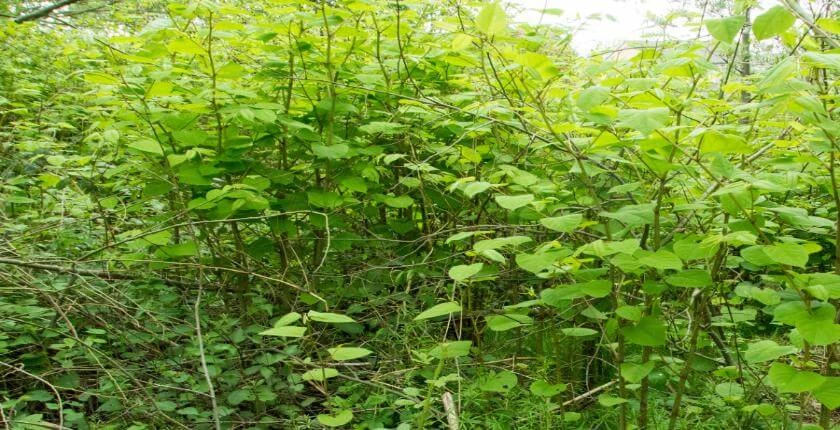
Japanese Knotweed Monitoring & Aftercare
Get in touchAt Top Japanese Knotweed Removal, we specialise in comprehensive Japanese knotweed monitoring and aftercare, ensuring long-term control and prevention of regrowth. Our services cover systematic inspections, ongoing management, and tailored treatment plans for properties, gardens, and commercial sites.
We meticulously track the plant’s growth patterns, providing effective solutions to safeguard your premises. Covering and the surrounding postcode area, our experienced team is ready to assist.
Contact us today to learn more about our monitoring services.
What Is Japanese Knotweed Monitoring & Aftercare?
Japanese knotweed monitoring and aftercare involve regular inspections and management to prevent the regrowth of this invasive plant. At Top Japanese Knotweed Removal, our services include monthly site visits, detailed growth pattern analysis, and customised treatment plans.
These visits are guided by the Invasive Species Action Plan, which sets the standard for monitoring frequency and effectiveness.
We use GPS mapping to accurately trace and document the extent of the knotweed invasion, while herbicide treatments, such as glyphosate, are meticulously applied to ensure complete control. Our systematic inspections are performed by certified technicians who adhere to guidelines from the Property Care Association, ensuring all procedures are conducted safely and efficiently.
The service is essential for both residential and commercial properties, where effective knotweed management safeguards your investment and maintains compliance with local regulations. Contact us today to learn more about protecting your property from this persistent invader.
What Types of Japanese Knotweed Monitoring & Aftercare Are Available?
In , we provide a range of Japanese knotweed monitoring and aftercare options to help manage and control this invasive plant:
Regular Inspections: Scheduled monthly visits to track growth and assess treatment needs. Our team follows protocols set by the Environment Agency to ensure compliance and effectiveness.
Herbicide Treatments: Application of chemicals to control and eradicate knotweed. We use substances approved by the Health and Safety Executive, ensuring safe and effective treatment over the typical two to three-year control period.
GPS Mapping: Detailed mapping of affected areas to monitor spread and treatment progress. This technology allows us to provide accurate reports and adjust management strategies as needed.
Tailored Management Plans: Customised strategies to fit the specific needs of each site. We consider factors such as soil type, surrounding vegetation, and site usage to create effective, sustainable plans.
Our service ensures that both residential and commercial properties are protected from the potential damage caused by Japanese knotweed. Contact us to discuss the best solution for your site.
What Properties Does Japanese Knotweed Monitoring & Aftercare Suit?
Our Japanese knotweed monitoring and aftercare services are suitable for a variety of properties including residential gardens, commercial landscapes, and public spaces. Residential properties benefit from regular monitoring to prevent knotweed from damaging structures, patios, and driveways.
In commercial landscapes, the presence of knotweed can significantly hinder development and impact property value.
In , we focus on areas prone to knotweed infestation, such as near watercourses, boundary fences, and railway embankments. These locations often require integrated control methods, including foliar spraying with herbicides and regular inspections, to manage the spread effectively.
For railway embankments, maintaining a clear environment is vital to ensure rail safety and operability.
We follow industry standards such as the Property Care Association guidelines to ensure effective management. Properties not affected by knotweed infestation do not require these services, but preventive monitoring can provide assurance against future issues.
If you're concerned about knotweed on your property, contact us to discuss a monitoring plan that meets your needs.
When Is Japanese Knotweed Monitoring & Aftercare Needed?
Japanese knotweed monitoring and aftercare are necessary when an infestation is identified, typically during property purchase surveys or routine garden maintenance. These services are essential when knotweed is noticed in proximity to buildings, as its aggressive root system can undermine foundations, potentially affecting property values and mortgage approvals.
In , trigger points include significant growth observed during spring and summer months or previous knotweed presence history.
Our process often involves the use of herbicide treatments like glyphosate, applied at specific times during the plant's active growing phases to maximise effectiveness. Regular monitoring using quadrats and transects helps assess growth rates and the efficacy of treatment.
We adhere to regulations outlined in the Wildlife and Countryside Act 1981 to ensure safe and compliant management practices. Early intervention is crucial to manage the spread and inform ongoing treatment strategies.
Contact us to discuss your needs and safeguard your property.
How Does Japanese Knotweed Monitoring & Aftercare Work?
Our knotweed monitoring and aftercare process involves:
Initial Assessment: We conduct a detailed site survey to identify the extent of knotweed presence, using advanced techniques such as root excavations and visual inspections. This helps us understand the precise areas affected and the potential risk to nearby buildings and wildlife.
Customised Plan Development: Based on our findings, we create a tailored management strategy. This includes selecting appropriate herbicides like glyphosate for effective control, alongside other mechanical or manual removal methods suitable for the property’s specific conditions.
Regular Monitoring Visits: Our team schedules inspections every four to six weeks during the growing season to track knotweed growth and treatment efficacy. We use digital mapping tools to document progress and adjust plans as needed.
Re-treatment if Necessary: If the monitoring results show continued growth, we apply additional treatments, ensuring compliance with regulations like the Wildlife and Countryside Act 1981. These targeted measures enhance the likelihood of long-term control.
After completing the process, we provide clients with a detailed report outlining the actions taken and any recommendations for future care.
How Long Does Japanese Knotweed Monitoring & Aftercare Take?
Japanese knotweed monitoring and aftercare typically span multiple growing seasons, ranging from one to three years, depending on infestation severity. Initial surveys usually take one day, and we employ GPS mapping to document knotweed locations accurately.
Follow-up treatments, such as herbicide applications, are applied every three months and are crucial in preventing rhizome regrowth.
Throughout the monitoring period, we use both foliar spraying and stem injection techniques to target the plant effectively. Our methods comply with Environment Agency guidelines to ensure environmental safety.
Specialised herbicides, including glyphosate-based options, are selected based on specific site conditions and knotweed maturity.
By maintaining consistent service, we ensure complete eradication and prevention of future growth, providing a solution to this invasive plant problem. If you require Japanese knotweed monitoring and aftercare, contact us for a reliable service.
Who Needs Japanese Knotweed Monitoring & Aftercare?
Homeowners, landlords, and commercial property managers benefit from Japanese knotweed monitoring and aftercare. Japanese knotweed can grow at an alarming rate of up to 10 centimetres per day, making regular inspection crucial.
We offer periodic assessments using GPS mapping technology to accurately track the spread and ensure timely intervention. Properties with existing or previous knotweed issues require ongoing management to prevent property damage or value depreciation.
These services are also crucial for legal compliance, especially in transactions involving affected properties, as they can disrupt mortgage applications if not properly managed. Additionally, construction companies planning developments should invest in monitoring to avoid costly delays and ensure compliance with environmental regulations.
Regular monitoring can also include root barrier installations to physically prevent spread, providing an added layer of protection and compliance with Wildlife and Countryside Act requirements. Contact us to learn how we can safeguard your property's future.
How Much Does Japanese Knotweed Monitoring & Aftercare Cost?
Japanese knotweed monitoring and aftercare typically cost between £400 and £1,200 per year. Prices depend on property size, infestation level, and specific treatment requirements.
Larger properties and severe infestations can increase costs.
Our service includes regular site visits to assess the growth and spread of the plant, using equipment like GPS mapping technology and moisture meters to monitor effectively. We adhere to the latest guidelines from the Royal Horticultural Society and have staff certified by PCA (Property Care Association) standards for managing invasive species.
This ensures we can identify even the slightest regrowth before it becomes a larger problem.
We provide a detailed quotation tailored to each property’s needs. Contact us today for your personalised assessment.
What Are the Benefits of Japanese Knotweed Monitoring & Aftercare?
Effective monitoring and aftercare provide numerous advantages:
Prevention of Regrowth: Sustained control methods, such as regular application of herbicides like glyphosate, help suppress knotweed resurgence. Monitoring involves using GPS mapping to track the extent of infestation over time.
Property Value Protection: Regular updates ensure that the presence of knotweed doesn't hinder mortgage approvals or sales. Our monitoring report can include RICS property assessment guidelines to support valuations.
Legal Compliance: We ensure adherence to local regulations regarding invasive species, including those outlined in the Wildlife and Countryside Act 1981. Our records of treatment can aid in legal defences if disputes arise.
Stress Reduction for Property Owners: Ongoing management includes bi-annual site inspections and detailed reports on knotweed status, alleviating concerns about unchecked growth.
Timely action through proper monitoring and aftercare can mitigate potential disruptions or financial losses. Contact us to learn more about our services.
Why Choose Top Japanese Knotweed Removal for Japanese Knotweed Monitoring & Aftercare?
Choosing Top Japanese Knotweed Removal for your knotweed monitoring guarantees thorough management using a range of effective techniques and specialised equipment like stem injection systems and root barriers. We employ industry-recognised methods such as excavation and burial, as well as herbicide treatments that comply with Environment Agency guidelines.
Our focus on customer-centric service means tailored plans that mitigate risk and protect the value of residential, commercial, and agricultural properties.
Our skilled team ensures compliance with all local regulations, including Wildlife and Countryside Act 1981 guidelines, providing dependable results and environmental responsibility. With ongoing inspections and aftercare extending over a period of up to five years, we offer reassurance that the spread of Japanese knotweed is effectively controlled.
Trust us for comprehensive knotweed solutions with a commitment to safeguarding your property's integrity and value.
Japanese Knotweed Monitoring & Aftercare: Frequently Asked Questions
How frequently should Japanese knotweed monitoring be conducted?
Regular monitoring should occur every two to three months, depending on knotweed severity, to ensure effective management and prevent regrowth.
What should be included in aftercare plans for Japanese knotweed?
Aftercare plans typically include scheduled inspections, follow-up treatments, and reporting to track the knotweed's status and effectiveness of the solutions applied.
Can Japanese knotweed be completely eradicated?
While complete eradication is challenging, ongoing monitoring and treatment can control and significantly reduce knotweed spread.
What happens if Japanese knotweed regrows after treatment?
If regrowth occurs post-treatment, we reassess the infestation and apply additional treatments as needed to maintain control.
Is DIY monitoring effective for Japanese knotweed?
DIY monitoring is rarely effective due to the plant’s resilience. Professional services provide essential techniques and equipment for thorough management.
Get a Free Quote for Japanese Knotweed Monitoring & Aftercare
Contact Top Japanese Knotweed Removal today to schedule your consultation and discuss tailored Japanese knotweed management solutions.
Related Japanese Knotweed Monitoring & Aftercare Services
Ongoing Japanese knotweed monitoring and aftercare can assess whether treatment has achieved the intended level of control. A Japanese knotweed management plan can provide the wider framework for managing the site throughout the required period.
Where treatment has been completed, an insurance-backed knotweed guarantee may provide additional reassurance. For properties being bought or sold, a RICS knotweed report can also support relevant property documentation.