
Japanese Knotweed Legal Advice
Get in touchAt Top Japanese Knotweed Removal, we offer expert Japanese Knotweed legal advice and the surrounding area. Our service supports property owners and developers in understanding their legal obligations related to Japanese Knotweed.
We assist with identification, removal plans, and ensuring compliance with relevant UK regulations. Get in touch today to benefit from our expertise.
What Is Japanese Knotweed Legal Advice?
Japanese Knotweed legal advice involves guiding you through your obligations concerning this invasive plant. At Top Japanese Knotweed Removal, we help you understand local and national regulations, mitigation steps, and neighbour disputes that may arise.
Our service includes interpreting the Anti-social Behaviour, Crime and Policing Act 2014, which may impact how you manage Knotweed on your property.
We also offer guidance on property transactions. If you plan to sell your property, Japanese Knotweed disclosures can affect the sale.
Our experts advise on completing the Property Information Form (TA6), where Knotweed presence must be declared.
Additionally, we assist with insurance and mortgage issues. Many lenders require assurance of Knotweed control, often needing a Knotweed management plan with a transferable guarantee.
We coordinate with surveyors to ensure all legal documentation aligns with their assessments. Trust us to help protect property values and ensure legal compliance.
What Types of Japanese Knotweed Legal Advice Are Available?
In , we provide several types of Japanese Knotweed legal advice tailored to different needs and circumstances. Our services cater to both residential and commercial property owners, ensuring they have the guidance required to handle Japanese Knotweed issues legally and effectively.
Identification Assistance: We assist with recognising Japanese Knotweed on your property, including advice on conducting an initial survey compliant with the Environment Agency’s standards.
Legal Compliance Guidance: We aid in understanding your obligations under UK law, particularly the Wildlife and Countryside Act 1981, which makes it illegal to allow Knotweed to spread in the wild.
Dispute Resolution: Our advice on resolving issues involving neighbours and third parties includes mediation and preparation for potential property devaluation claims, using strategies in line with the Property Care Association guidance.
Management Plans: We help in developing effective strategies for mitigation and removal, aligning with long-term monitoring plans and involving techniques like excavation and root-barrier systems.
By incorporating comprehensive advice, we ensure you are well-informed and equipped to manage Japanese Knotweed legally. Contact us today to discuss your specific needs.
What Does Japanese Knotweed Legal Advice Cover?
Our Japanese Knotweed legal advice covers a range of essential areas to support both residential and commercial property owners. We guide you through legal responsibilities, ensuring compliance with the Environment Agency's regulations and the Wildlife and Countryside Act 1981, which classifies Japanese Knotweed as an invasive species.
Our expertise includes helping you understand your obligations in property sale disclosures, such as when completing the TA6 form, detailing any current or past knotweed issues.
We also offer advice on managing acceptable removal plans, often involving specialist contractors who follow the Construction Code of Practice for the Sustainable Use of Soils on Construction Sites. If you're looking to prevent the further spread of knotweed, we provide insights into effective measures, such as root barrier systems and regular monitoring.
Our service does not cover environmental permits, which require specialist input. If you need assistance in these areas, we can recommend qualified experts.
When Is Japanese Knotweed Legal Advice Needed?
You need Japanese Knotweed legal advice when you identify the plant on your property, plan to sell your home, or if a neighbour dispute arises. Legal advice is essential to understand obligations under the Wildlife and Countryside Act 1981, which makes it illegal to allow the plant to spread into the wild.
Compliance with this legislation helps protect both your rights and property value. We can also guide you on the Civil Liability Act 1961, which may hold property owners responsible for encroachment onto neighbouring land.
Mortgage lenders often require a management plan by a Property Care Association (PCA) approved specialist, so securing advice early can streamline this process. If you are involved in insurance claims related to structural damage caused by knotweed, we can provide expert advice to navigate these complex cases.
Speak to us for timely advice.
How Does Japanese Knotweed Legal Advice Work?
Our process for delivering Japanese Knotweed legal advice consists of several steps designed to ensure compliance and effective risk management.
Initial Consultation: We discuss your concerns and needs regarding Japanese Knotweed, considering specific property details and potential legal implications.
Site Assessment: Our team conducts a thorough evaluation of the affected property area to confirm the presence of Knotweed. This includes using photographic evidence and mapping technology to document and gauge the extent of the infestation.
Legal Review: We explore your obligations under current legislation, such as the Wildlife and Countryside Act 1981 and the Anti-social Behaviour, Crime and Policing Act 2014, highlighting responsibilities and potential liabilities for non-compliance.
Action Plan Development: We create a customised strategy for resolving any identified issues, which could involve professional Knotweed removal services or neighbour dispute resolutions.
Follow-up Support: Our ongoing advice and assistance may include updating you on any changes in legislation, helping to manage relationships with neighbours or local authorities, and reviewing progress.
Engage with us today to ensure your legal and property concerns related to Japanese Knotweed are fully addressed.
How Long Does Japanese Knotweed Legal Advice Take?
Japanese Knotweed legal advice typically takes one to two weeks to assess and provide a detailed report. Our process begins with an initial consultation to understand the specifics of your case, which includes examining land registry documents and conducting site inspections if necessary.
We then collaborate with certified surveyors to evaluate the extent of the infestation using precise survey tools and techniques, such as non-invasive ground penetration radar or high-resolution imaging.
For cases that involve boundary disputes, we might need to obtain historical land maps and documentation. In scenarios requiring mitigation of property devaluation or addressing legal liabilities, further analysis involving solicitors experienced in property law may be needed.
These steps can slightly extend the timeline. Once complete, we furnish a report outlining your legal options tailored to your unique circumstances.
Contact us to begin your advisory process.
Who Needs Japanese Knotweed Legal Advice?
Property owners, estate agents, solicitors, and developers often require Japanese Knotweed legal advice. Those engaged in planning to build or renovate can be particularly affected, as Japanese Knotweed can penetrate foundations and structures, leading to potential legal battles over property damage or devaluation.
Lenders may also mandate confirmation that a property is knotweed-free before approving mortgages, making this advice crucial during property financing.
Individuals buying or selling property benefit from understanding the legal implications of Japanese Knotweed, including potential constraints under the Wildlife and Countryside Act 1981. Insurance companies are another group that seeks legal guidance to assess and underwrite risks associated with knotweed infestations.
Our guidance supports a wide range of stakeholders by clarifying legal responsibilities and options for treatment and ensuring compliance with environmental regulations. Contact us to ensure you are fully informed and compliant.
How Much Does Japanese Knotweed Legal Advice Cost?
Japanese Knotweed legal advice typically costs between £500 and £1,000. The price varies based on the property's size, the complexity of the legal issues involved, and the level of intervention required.
For instance, larger properties may need extensive surveys and detailed documentation to comply with regulations like the Wildlife and Countryside Act 1981. We evaluate factors such as whether legal advice is needed for a property sale, mortgage application, or land development.
Our team includes solicitors experienced in dealing with knotweed disputes and insurance claims related to property damage or surveyor negligence. Additionally, we may coordinate with environmental consultants to ensure comprehensive evaluations.
Contact us to obtain a tailored quote based on your specific needs.
What Are the Benefits of Japanese Knotweed Legal Advice?
Japanese Knotweed legal advice offers several benefits, particularly for property owners and developers who may encounter this invasive plant. Navigating the complexities of the Anti-social Behaviour, Crime and Policing Act 2014 is essential for compliance, as this legislation dictates control measures for invasive species.
Compliance: Ensure you meet legal requirements, including the Wildlife and Countryside Act 1981, avoiding penalties by proper control and disposal methods.
Property Protection: Safeguard property values and ease of sale, preventing potential devaluation and difficulties in mortgage approvals caused by the presence of Japanese Knotweed.
Dispute Resolution: Efficiently manage conflicts through expert advice, whether dealing with neighbouring properties affected by the spread of Knotweed or handling disputes through civil claims.
Peace of Mind: Confidence knowing you are legally covered, as our specialists provide detailed site assessments and documentation demonstrating due diligence.
By seeking our legal advice, clients can navigate these challenges effectively and protect their investments.
What Regulations Apply to Japanese Knotweed?
UK law regulates the handling and disposal of Japanese Knotweed. Under the Wildlife and Countryside Act 1981, it is an offence to cause the plant to spread in the wild.
Additionally, the Environmental Protection Act 1990 classifies Japanese Knotweed as controlled waste, requiring disposal at licensed landfill sites. This requires careful coordination with waste management services to ensure proper tracking and documentation of removal activities.
The Infrastructure Act 2015 further emphasises the importance of controlling invasive species, mandating specific treatment plans and timelines. Our advice ensures compliance with these regulations, helping you adhere to best practices and avoid potential legal action.
Whether you're a homeowner dealing with an infestation or a business managing land development projects, our expert guidance supports effective management within the legal framework. Contact us for assistance with your Japanese Knotweed concerns.
Why Choose Top Japanese Knotweed Removal for Japanese Knotweed Legal Advice?
At Top Japanese Knotweed Removal, we specialise in offering comprehensive legal advice tailored to Japanese Knotweed issues. Our team possesses in-depth knowledge of the relevant laws, including the Wildlife and Countryside Act 1981 and Anti-social Behaviour, Crime and Policing Act 2014, which govern the control and management of invasive species.
We also understand the Property Care Association guidelines, helping property investors, developers, and homeowners navigate the complexities of Japanese Knotweed encroachment, boundary disputes, and property devaluation.
Our experience extends to court representations and drafting management plans to ensure compliance with legal obligations and environmental standards. We work closely with surveyors and solicitors to provide integrated solutions.
Our service is client-focused, driven by each individual's unique circumstances. Get in touch with us today to explore how we can assist with your Japanese Knotweed legal concerns.
Japanese Knotweed Legal Advice: Frequently Asked Questions
How can I identify Japanese Knotweed?
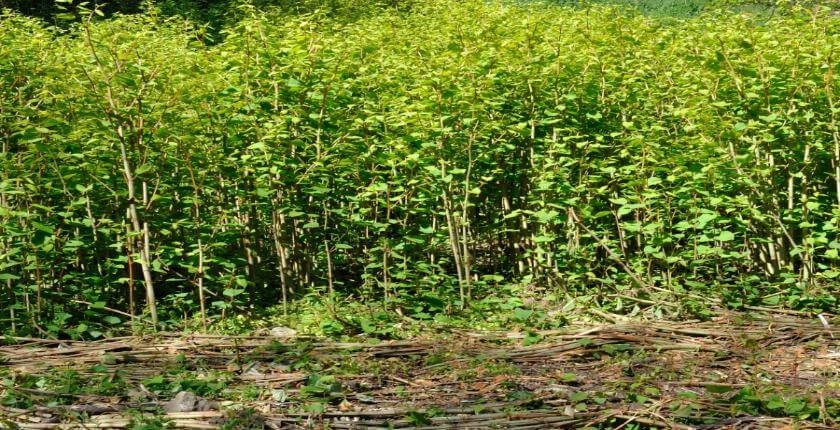
You can identify Japanese Knotweed by its distinctive hollow stems and heart-shaped leaves. We offer identification services across the area for confirmed assessments.
Should I be concerned about Japanese Knotweed near my property?
Yes, Japanese Knotweed can cause damage to property and impact its value. Legal advice helps you manage these risks effectively.
Can I remove Japanese Knotweed myself?
Due to legal implications, it is advisable to consult professionals for removal. Our legal advice service provides guidance on approved removal methods.
What should I do if my neighbour has Japanese Knotweed?
If a neighbour has Japanese Knotweed, legal advice can help manage the issue diplomatically and ensure the plant does not affect your property.
How often should I review my legal responsibilities regarding Japanese Knotweed?
Review your responsibilities whenever you buy or sell a property, or if new legislation is introduced. We offer ongoing support to keep you up to date.
Get a Free Quote for Japanese Knotweed Legal Advice
Contact us today to discuss your needs and get expert Japanese Knotweed legal advice.
Related Japanese Knotweed Legal Advice Services
Japanese knotweed legal advice can help property owners understand issues arising from an infestation, particularly where responsibility or property matters are disputed. A RICS knotweed report can provide relevant professional documentation about the condition of a property.
Where practical remediation is required, a Japanese knotweed survey can establish the extent of the problem, while a knotweed management plan can set out an appropriate route for ongoing control.