
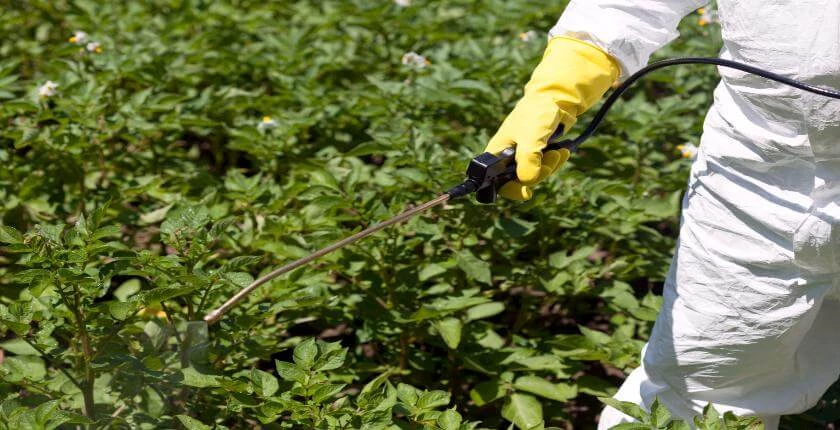
Japanese Knotweed Herbicide Treatment
Get in touchAt Top Japanese Knotweed Removal, we provide comprehensive Japanese knotweed herbicide treatment services. Our specialists use industry-approved herbicides to effectively control and eradicate Japanese knotweed, ensuring the safety and restoration of your property.
We tackle invasive species that threaten local ecosystems, offering tailored solutions for residential and commercial properties across the area. Contact us today for a professional evaluation and treatment plan.
What Is Japanese Knotweed Herbicide Treatment?
Japanese knotweed herbicide treatment involves the application of chemical solutions specifically designed to control and manage the invasive growth of Japanese knotweed. At Top Japanese Knotweed Removal, we employ systemic herbicides such as glyphosate and imazapyr, which penetrate the plant's vascular system to target and kill its root system effectively.
This approach provides a long-term solution to knotweed infestations. Our treatments are meticulously planned, typically requiring two to three applications over the growing season to ensure thorough eradication.
Our licensed experts use specialised equipment, including backpack sprayers and hydraulic sprayers, to apply herbicides with precision. These applications are aligned with the Control of Pesticides Regulations 1986, ensuring we maintain the highest safety standards.
We offer our services across various property types, from residential gardens to commercial sites and large-scale developments. Get in touch with us today for professional advice and a customised treatment plan.
What Types of Japanese Knotweed Herbicide Treatment Are Available?
In , we offer various types of Japanese knotweed herbicide treatments designed to suit different infestation levels and site requirements. Our methods adhere to Environment Agency guidelines to ensure safe and efficient control.
Foliar Application: Direct application to the leaves for effective absorption. This method is typically conducted during the growing season when the leaves are fully developed, ensuring maximum uptake of the herbicide.
Stem Injection: Precise injection into the canes for targeted treatment. Ideal for environmentally sensitive areas, this method minimises damage to surrounding vegetation and is effective in delivering herbicide directly to the plant's rhizomes.
Soil Application: Treating the area surrounding the growth for deep penetration. This approach is suitable for larger infestations, ensuring the herbicide reaches the extensive underground rhizome network.
Cut and Spray: Cutting the plant before spraying to improve effectiveness. Often used in combination with other methods, it helps manage large, dense patches by reducing the overall biomass before treatment.
These treatments are planned carefully, considering soil conditions, proximity to water sources, and the knotweed's lifecycle. Contact us today to discuss the approach that best suits your property.
Which Japanese Knotweed Herbicide Treatment Is Best?
Choosing the best herbicide treatment depends on the infestation size and location, as well as environmental considerations and desired timescales for eradication.
Foliar Application: Suitable for large infestations, providing broad coverage with systemic herbicides like glyphosate. Typically performed in late summer, it targets leaves directly for absorption.
Stem Injection: Ideal for sensitive areas where precision is required, involving direct herbicide injection into each cane to prevent damage to surrounding plants. This method is effective year-round, including during the winter months when knotweed is dormant.
Soil Application: Best for new growth at ground level using residual herbicides. It provides prolonged control but requires careful consideration of ground water impact and soil characteristics.
Cut and Spray: Effective for areas with limited space, ensuring thorough treatment by cutting the knotweed stems before spraying. This method can help manage fast-spreading patches over the course of several growing seasons.
Consult with our experts to determine the most suitable method for your property.
Where Is Japanese Knotweed Herbicide Treatment Effective?
Herbicide treatment for Japanese knotweed is effective on various properties, including residential gardens, commercial landscapes, and agricultural land. This method typically involves applying glyphosate-based herbicides, which are absorbed by the foliage and transported to the root system, inhibiting growth.
For areas with heavy contamination, repeated applications over a period of two to three years may be necessary to fully manage the spread.
In riparian zones or near water sources, we use aquatic-approved herbicides to prevent harm to aquatic ecosystems. Compliance with the Environment Agency guidelines is crucial to maintain both efficacy and environmental safety.
Regular monitoring is also essential to check the treatment's effectiveness and adjust methods if regrowth occurs. Always consult with us for a tailored action plan that addresses specific site conditions and ensures regulatory compliance.
When Is Japanese Knotweed Herbicide Treatment Needed?
Japanese knotweed herbicide treatment is necessary when you first notice the plant's rapid spread on your property. This invasive species can quickly dominate an area, with underground rhizomes extending up to three metres deep and seven metres horizontally, making control vital.
Early intervention is crucial to manage its invasive growth and prevent damage to buildings and natural habitats.
Typically, this treatment is carried out during the plant's growing season, which spans from late spring to early autumn, as the foliage is most receptive to herbicides. We use glyphosate-based herbicides, which are absorbed through the leaves and transported to the root system, effectively inhibiting future growth.
Our treatments help protect your property and maintain its value, addressing concerns for both residential and commercial properties. If you suspect a knotweed problem, contact us to discuss a treatment plan tailored to your specific needs.
How Does Japanese Knotweed Herbicide Treatment Work?
Our herbicide treatment process follows these steps:
Assessment: Conducting a detailed survey of the infestation, we identify both visible growth and potential underground rhizome networks, which are crucial to address to prevent regrowth.
Treatment Selection: We choose the appropriate herbicide method, considering factors such as proximity to water sources and wildlife, which may necessitate using glyphosate or triclopyr-based solutions, compliant with UK environmental safety standards.
Application: Our technicians apply the herbicide using calibrated equipment to ensure precise dosage. This stage often takes place during the knotweed's active growth phase for maximum effectiveness. Applications are typically done annually for two to three years for best results.
Monitoring: We monitor regrowth through periodic site visits, adjusting our treatment strategy as needed. Follow-up treatments stop new shoots and strengthen the initial application.
Through this comprehensive approach, we manage Japanese Knotweed infestations effectively. Contact us to schedule your assessment.
How Long Does Japanese Knotweed Herbicide Treatment Take?
Most Japanese knotweed herbicide treatments are completed over the course of one to two growing seasons. During the initial assessment, we identify the specifics of the infestation, such as plant maturity and density, which influence the duration and frequency of treatments.
We typically apply systemic herbicides like glyphosate or imazapyr, known for their deep penetration, to inhibit growth. The exact time frame can vary depending on the extent of the infestation and specific treatment plan.
Regular monitoring and follow-up applications are often required to ensure complete eradication, especially during peak growing seasons in late spring to early summer. We adhere to environmental regulations and standards, such as those set by the Environment Agency, to ensure safe and effective treatments tailored to various property types, whether residential, commercial, or public.
Proper documentation and reports are provided after each visit. Contact us for a consultation.
Who Needs Japanese Knotweed Herbicide Treatment?
Property owners facing Japanese knotweed infestations need herbicide treatment. This includes homeowners, landlords, estate managers, and developers who want to protect their investments and comply with legal obligations regarding invasive species management.
Japanese knotweed can cause structural damage to buildings by growing through foundations, walls, and drains. The Environment Agency classifies it as a controlled waste under the Environmental Protection Act 1990, necessitating proper management and disposal.
Banks and mortgage lenders may refuse loans on properties affected by knotweed, impacting property values and sales.
Herbicide treatment is an effective solution for properties of all sizes, employing selective herbicides that target knotweed without harming surrounding flora. This approach is particularly useful for large sites like commercial premises and public land, ensuring adherence to guidelines set by the Property Care Association.
By following a strategic treatment plan, property owners can control the spread of this invasive plant and maintain property integrity.
Contact us to discuss your needs and ensure your property complies with regulations.
How Much Does Japanese Knotweed Herbicide Treatment Cost?
Japanese knotweed herbicide treatment typically costs between £20 and £50 per square metre. The total cost depends on several factors, including the size and accessibility of the treatment area, the method of application, and the level of infestation.
For larger infestations, we may use a combination of foliar spraying and stem injection, which involves applying herbicide directly into the plant stems for maximum effectiveness. The timing of the application is also crucial: treatments are usually conducted during the active growing season, from late spring to early autumn, to disrupt the plant's growth cycle.
Additionally, properties near water bodies may require special consideration due to environmental regulations. Our trained technicians adhere to the Industry Code of Practice for Japanese Knotweed Management.
Contact us for a personalised quote for your property.
What Are the Benefits of Japanese Knotweed Herbicide Treatment?
Engaging in herbicide treatment for Japanese knotweed offers key benefits:
Effective Control: Our treatment uses systemic herbicides, which penetrate the plant to target the root system, ensuring the effective destruction of this invasive species. This approach helps prevent the regrowth from its rhizomes.
Long-term Solution: Implementing herbicide applications over one to three growing seasons deters future regrowth, offering a sustainable solution to managing knotweed infestations.
Safety Compliance: We strictly follow the protocols set by the Environment Agency and the Control of Pesticides Regulations 1986, ensuring that our methods are environmentally responsible and safe for surrounding flora and fauna.
Property Protection: Regular monitoring and treatment help preserve the property’s value while safeguarding against potential structural damage caused by invasive root systems impacting foundations and hardstanding areas.
By choosing our herbicide treatment, property owners can effectively manage and mitigate the risks associated with Japanese knotweed.
What Regulations Apply to Japanese Knotweed Herbicide Treatment?
In the UK, Japanese knotweed management must comply with the Wildlife and Countryside Act 1981, which makes it illegal to plant or cause this species to grow in the wild. Herbicides used for treatment must also meet the standards set by the Health and Safety Executive (HSE).
Additionally, the Control of Pesticides Regulations (COPR) 1986 outlines the requirements for safe pesticide use, including obtaining necessary certifications for operatives applying herbicides.
The Environment Agency provides guidance on the disposal of waste and contaminated soil, as improper disposal could result in legal penalties. For residential and commercial property owners, understanding these regulations helps prevent potential fines and ensures ecological responsibility.
Typically, the treatment process spans over two to three seasons, allowing the herbicide to sufficiently weaken the root system. For those requiring assistance with compliance and treatment, please contact us for expert advice and service.
Why Choose Top Japanese Knotweed Removal for Japanese Knotweed Herbicide Treatment?
Top Japanese Knotweed Removal offers expert herbicide treatment tailored to your needs. Our team leverages experienced professionals, up-to-date methods, and environmentally responsible practices to ensure effective eradication of Japanese knotweed.
We use glyphosate-based herbicides, which are approved by the Environment Agency, to target and control knotweed safely and efficiently. Our approach involves multiple treatment cycles, typically over two to three years, to ensure complete eradication, preventing regrowth and potential property damage.
We adhere to the Control of Pesticides Regulations (COPR) and ensure all activities align with industry standards. Our non-disruptive methods are suitable for residential, commercial, and industrial properties, protecting your investment while safeguarding the surrounding environment.
We document all treatments with comprehensive records for future reference and compliance.
We are committed to delivering comprehensive solutions for properties in the area.
Contact us today to schedule an assessment and protect your property from this invasive species.
Japanese Knotweed Herbicide Treatment: Frequently Asked Questions
How much does Japanese knotweed treatment cost?
Treatment costs range from £20 to £50 per square metre, depending on factors like the area size and treatment method.
How long does Japanese knotweed herbicide remain in the soil?
Herbicides can remain active in the soil for several weeks to months, affecting regrowth.
How often are follow-up treatments needed for Japanese knotweed?
Follow-up treatments may be needed annually until the knotweed is fully eradicated.
Can herbicide treatment be done near water?
Yes, but special regulations and methods apply to protect the aquatic ecosystem.
What are the signs of an effective herbicide treatment?
Effective treatment typically results in browning and wilting of the knotweed canes over several weeks.
Get a Free Quote for Japanese Knotweed Herbicide Treatment
Protect your property from the invasive spread of Japanese knotweed.
Related Japanese Knotweed Herbicide Treatment Services
Before beginning Japanese knotweed herbicide treatment, a Japanese knotweed identification service can confirm that the plant has been correctly identified. A detailed knotweed survey can then help establish the location and extent of the growth.
Following treatment, Japanese knotweed monitoring and aftercare can provide continued assessment, while a Japanese knotweed management plan can structure the longer-term control strategy.