
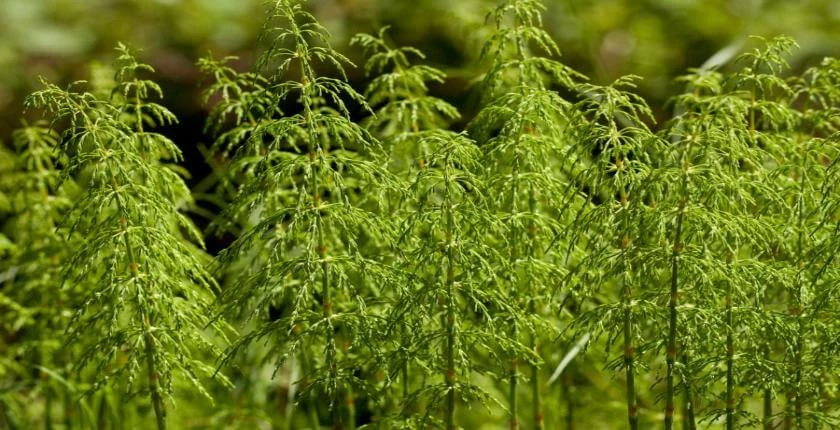
Horsetail Control
Get in touchAt Top Japanese Knotweed Removal, we specialise in effective horsetail control services and the surrounding postcode area. Horsetail, also known as Equisetum, is a persistent weed that requires specialised methods for complete eradication.
Our team uses targeted herbicide treatments and physical removal techniques to tackle this invasive plant, safeguarding your garden's health. We work on various property types, from residential gardens to commercial grounds.
Call us today to learn more about our horsetail control solutions.
What Is Horsetail Control?
Horsetail control involves specialised methods to effectively manage and eradicate Equisetum infestations. At Top Japanese Knotweed Removal, we understand that horsetail is a and invasive weed with deep-rooted rhizomes.
Our service focuses on using targeted herbicides that penetrate these rhizomes and applying physical removal techniques. We employ glyphosate-based herbicides, carefully selected for their efficacy in disrupting horsetail's growth cycle while adhering to environmental safety regulations.
Additionally, our team uses root barrier technologies to limit the spread of rhizomes into adjacent areas, ensuring protection for surrounding landscapes.
In some cases, manual digging and excavation techniques are employed to physically remove the visible parts of the plant. This is often essential on construction sites or near waterways where chemical treatment alone may not suffice.
This combination ensures long-term control and prevents regrowth. Contact us to discuss your requirements.
What Types of Horsetail Control Are Available?
We offer a range of horsetail control methods tailored to the needs of properties, addressing diverse environments such as commercial sites, residential gardens, and public parks.
Herbicide Application: We use systemic herbicides like glyphosate to penetrate deep-rooted rhizomes, ensuring that the entire plant is effectively targeted. Our team follows strict guidelines to minimise impact on surrounding vegetation, considering factors such as soil type and local flora.
Physical Removal: Our expert team performs manual digging to extract the extensive root systems. This method is often paired with soil improvement techniques to promote healthy regrowth of desirable plants.
Barrier Installation: We install root barriers made from durable materials that provide long-lasting protection against the spread of horsetail. These barriers are strategically placed around the perimeter of affected areas, serving as a physical defence.
Regular Monitoring: Our regular inspections involve detailed mapping and recording of horsetail presence, allowing us to assess treatment effectiveness over time and make necessary adjustments. This ongoing process helps us adapt to changes in soil conditions and plant behaviour.
These methods, when applied correctly, form a approach to managing horsetail infestations. Contact us today to discuss how we can help you control horsetail on your property.
Which Horsetail Control Method Is Best for Your Needs?
Choosing the right horsetail control method depends on several factors, such as the severity of the infestation and property size. We offer a range of solutions to address diverse needs and conditions:
Herbicide Application: This method is particularly effective for large infestations where complete removal is impractical. We employ targeted herbicides that are designed to penetrate tough root systems, ensuring maximum effectiveness while minimising environmental impact. Regular application over a growth season may be required.
Physical Removal: Perfect for smaller areas with manageable infestations, this method involves the manual extraction of horsetail plants and root systems. A precise and careful approach helps prevent regrowth and preserves surrounding plant life.
Barrier Installation: Installing physical barriers is suitable for preventing horsetail spread in mixed planting environments. These barriers can be made from materials such as geotextiles that inhibit root penetration, thus protecting other plants.
Regular Monitoring: Essential for all cases to ensure long-term success, regular inspections allow us to assess and address any new regrowth promptly, using GPS and mapping tools to track changes over time.
Discuss your specific needs with us to determine the most effective solution for your property.
What Areas Does Horsetail Control Cover?
Our horsetail control services cater to a wide range of property types, ensuring effective treatment tailored to each environment's needs. We use specific methods such as focused herbicide applications and repeated stem cutting to manage horsetail growth efficiently.
These methods reach deep into the soil to address the rhizomes responsible for its spread.
Residential gardens: Homes benefit from careful herbicide use that prioritises safety for family and pets.
Commercial properties: Office buildings and retail spaces require discreet solutions to maintain business operations.
Public parks and spaces: Large open areas benefit from environmentally responsible treatments that protect native plants.
Agricultural land: Farms and crop fields demand robust control to prevent competition with valuable crops, often involving specific scheduling to match planting cycles.
By using targeted horticultural techniques and adhering to environmental standards, we ensure comprehensive horsetail management. Contact us to discuss how we can assist with your specific requirements.
When Is Horsetail Control Needed?
Horsetail control is necessary when this persistent weed begins to overshadow other plant life. The indicators include the emergence of its tall, reed-like stems and a rapid spread across gardens.
Areas with moist and poorly drained soil are particularly susceptible, as horsetail thrives in such conditions. You may also notice a dense network of underground rhizomes, which can extend up to two metres deep, making the weed difficult to manage with ordinary gardening techniques.
Failure to control horsetail can lead to root infestations that compromise structural integrity, especially in agricultural fields and sensitive landscaped areas. Integrated management strategies such as herbicide application using glyphosate or triclopyr, combined with mechanical removal methods, are often recommended.
These approaches effectively reduce horsetail spread without damaging other plants. Early intervention is essential to prevent damage and maintain a healthy garden environment.
Contact us today to assess your situation.
How Does Horsetail Control Work?
Our horsetail control process involves the following steps:
Assessment: We begin by inspecting the site to determine the extent of the infestation, noting soil conditions and surrounding vegetation.
Planning: Develop a customised eradication plan based on the specific conditions. We may incorporate methods such as pre-emergent herbicides to prevent new shoots or mulching to inhibit sunlight.
Treatment: Apply systemic herbicides like glyphosate, designed to penetrate rhizomes deeply and disrupt photosynthesis and nutrient storage.
Removal: Conduct physical removal of shoots and associated root systems using tools such as spades and trowels to minimise soil disturbance.
Monitoring: Schedule follow-up visits to ensure regrowth is controlled, adjusting methods if necessary and providing a detailed report of each visit.
This comprehensive process ensures long-term management of horsetail infestations. For detailed plans and quotations, contact us directly.
How Long Does Horsetail Control Take?
The duration of horsetail control services varies depending on the infestation size and method chosen. During the initial assessment, we examine the extent of the horsetail spread and determine the most suitable control technique.
Typically, initial treatments take one to two days to apply, with several weeks for herbicides such as glyphosate or triclopyr to take full effect. Manual removal may be necessary for less-accessible areas where mechanised equipment can't reach.
Follow-up visits may be necessary to ensure long-term success, usually scheduled over a period of six to eight weeks. These visits allow us to monitor progress and apply additional treatments if required, preventing regrowth.
By using integrated pest management techniques, we aim to eliminate horsetail while minimising environmental impact. Contact us to schedule a consultation and start reclaiming your property today.
Who Needs Horsetail Control?
Horsetail control is essential for various clients, as this persistent weed can rapidly overtake a range of environments. The primary groups requiring our service include:
Homeowners with infested gardens, where horsetail can affect the growth of other plants
Commercial property managers needing to maintain landscapes, as unchecked horsetail can damage pavements and structures
Local councils managing public land, aiming to preserve recreational areas and prevent slipping hazards on pathways
Farmers requiring effective land management to protect crops and maintain soil health
Our methods include the use of foliar sprays applied at specific growth stages, like early summer, for best results. We also apply mechanical control techniques, such as root barriers, to prevent rhizome spread.
Proactive control helps protect your investment and maintain aesthetics. Contact us today to discuss your needs and explore our proven solutions.
How Much Does Horsetail Control Cost?
Horsetail control costs around £300 to £600 per treatment, depending on the method and extent of infestation. Factors influencing the price include the size of the affected area and the choice between herbicide application and physical removal.
Herbicide treatments typically involve using systemic herbicides like glyphosate, which are absorbed by the plant to kill it from the inside out. Physical removal may require specialised equipment such as root barriers and involves manually extracting the plant and its roots, which can be labour-intensive.
Our team is experienced in assessing the infestation level and suggesting the most effective control method. We also consider the type of property, whether residential, commercial, or industrial, as each requires a different approach tailored to its conditions.
Additional costs may apply for monitoring and follow-up visits to ensure the treatment's success. Contact us for a detailed quotation tailored to your needs.
What Are the Benefits of Horsetail Control?
Effective horsetail control offers several benefits, essential for maintaining healthy and visually appealing landscapes:
Weed Reduction: Significantly decreases horsetail presence through methods such as chemical treatment with approved herbicides like glyphosate, improving long-term management of this resilient plant.
Improved Appearance: Restores the aesthetics of landscapes by removing the aggressive horsetail shoots, making way for ornamental plants and improving overall curb appeal of residential and commercial properties.
Plant Protection: Prevents other plants from being overshadowed by ensuring adequate sunlight and nutrients reach them. This is particularly beneficial for delicate species that require specific light conditions.
Soil Health: Reduces soil compaction from invasive root systems, promoting better water drainage and nutrient absorption. Our techniques follow sustainable practices, enhancing the ecological balance of the area.
With our expertise, you can ensure your garden or property is free from the challenges presented by horsetail infestations.
What Regulations Apply to Horsetail Control?
While horsetail control itself is not heavily regulated in the UK, the use of herbicides must comply with the Health and Safety Executive (HSE) guidelines. These guidelines dictate the correct handling, storage, and disposal of chemical treatments to minimise their impact on the surrounding ecosystem.
We ensure our team is trained and certified in using herbicides under the auspices of the National Proficiency Tests Council (NPTC) standards, especially PA1 and PA6 qualifications, which cover safe chemical application and integrated pest management strategies.
Additionally, we prioritise protecting local wildlife during treatment by scheduling activities during specific times of the year to avoid breeding seasons for various species. Compliance with the Control of Pesticides Regulations (COPR) is also essential in maintaining public and environmental safety.
Proper handling and application by trained professionals ensure safety and compliance. It's crucial to adhere to these standards to protect the environment and personal health during treatment.
Why Choose Top Japanese Knotweed Removal for Horsetail Control?
Choosing Top Japanese Knotweed Removal for horsetail control means working with experts committed to effective solutions. We employ a combination of mechanical extraction methods and selective herbicides like glyphosate, taking into account the specific growth patterns of horsetail to maximise results.
Our team is certified in pesticide application, adhering to the Safe Use of Pesticides regulations, ensuring compliance with both environmental and safety standards.
We use equipment such as weed whackers for initial clearing and application tools for precise herbicide treatment, which helps prevent regrowth. Our approach is tailored to different property types, including residential gardens, commercial landscapes and agricultural sites.
We also provide recommendations for ongoing maintenance, thus preserving the aesthetic value of your property. Get in touch today to see how we can help with your horsetail problem.
Horsetail Control: Frequently Asked Questions
How effective is herbicide application for horsetail control?
Herbicide application is typically effective, penetrating the deep rhizomes to prevent regrowth. Success depends on correct application and follow-up treatments over time.
How often should I have my property inspected for horsetail?
We recommend inspections at least twice a year, particularly during spring and late summer, to monitor and manage any re-emergence.
Can horsetail damage property structures?
While horsetail is not known for damaging structures, its aggressive growth can impact garden aesthetics and compete with desired plants, making control essential.
Is physical removal of horsetail effective?
Physical removal can be effective for small areas but may require repeated efforts due to deep roots. Combining it with herbicide treatment increases success.
How soon can I expect results from horsetail control treatments?
Results can be observed within a few weeks, but full eradication often requires multiple treatments over a six to eight-week period.
Get a Free Quote for Horsetail Control
Ready to tackle your horsetail problem? Contact Top Japanese Knotweed Removal today to arrange a assessment and receive a free quote tailored to your needs.
Related Horsetail Control Services
Horsetail control can provide targeted management for persistent horsetail growth affecting gardens, land and properties. Where several invasive or problematic plants are present, invasive weed control can provide a broader approach.
Other plant-specific services include bamboo removal and Himalayan balsam removal. If Japanese knotweed is suspected on the same site, specialist knotweed identification can help establish the correct species.