
Himalayan Balsam Removal
Get in touchAt Top Japanese Knotweed Removal, we specialise in Himalayan Balsam removal, effectively tackling this invasive species before it takes over your garden. Our process involves site surveys, manual and chemical removal, and follow-up monitoring to ensure complete eradication.
We use eco-friendly methods to protect your environment while ensuring the Himalayan Balsam doesn't return. Covering and the surrounding postcode area, our team are experts in managing challenging vegetation.
Contact us today to discuss your Himalayan Balsam issues.
What Is Himalayan Balsam Removal?
Himalayan Balsam removal involves eliminating this aggressive plant species before it overwhelms local ecosystems. At Top Japanese Knotweed Removal, we employ methods like manual pulling, cutting, and selective herbicide application to manage its spread.
Manual pulling is often done during the flowering stage to prevent seed dispersal. We use long-handled scythes for cutting around sensitive areas to minimise disturbance.
Herbicides, such as glyphosate, are selectively applied to ensure other species remain unharmed. Our approach is in line with the guidelines set out by the Environment Agency, ensuring that our methods comply with environmental standards.
Himalayan Balsam grows rapidly, shading out native vegetation and destabilising riverbanks. It can grow up to three metres tall, making it vital to address infestations efficiently and sustainably.
Our team is dedicated to preserving local biodiversity with effective and environmentally friendly solutions. Contact us today to discuss how we can assist you.
What Types of Himalayan Balsam Removal Are Available?
We offer several methods for Himalayan Balsam removal, tailored to different levels of infestation and environmental needs. Our approach is designed to effectively tackle this invasive species while minimising impact on surrounding ecosystems.
Manual Removal: This involves pulling or cutting plants by hand, which is ideal for small infestations in sensitive areas where chemical use is restricted. It ensures minimal soil disturbance and allows for the selective targeting of individual plants.
Chemical Treatment: Herbicides, such as glyphosate, are carefully applied to control larger areas effectively without harming the native flora. This method is suitable for extensive infestations where manual removal is impractical due to scale.
Combination Approach: A mix of manual and chemical techniques for comprehensive control and prevention. By integrating both methods, we improve long-term management of the plant, reducing regrowth in subsequent seasons.
Each method aligns with environmental and safety standards to protect local ecosystems. Choose the ideal method based on the size and location of your infestation.
Contact us to determine the best strategy for your garden.
Where Is Himalayan Balsam Removal Needed?
Himalayan Balsam removal is typically required in areas where it has displaced native vegetation, along riverbanks, in gardens, and open spaces. This species spreads rapidly, affecting soil stability and biodiversity.
Its rapid growth and thick canopy can impede sunlight reaching native plants, reducing their chance to thrive. We employ methods such as manual pulling and cutting before seed dispersal to effectively manage this invasive species.
Public parks and conservation areas particularly benefit from scheduled removal efforts to protect local wildlife and plant life. The process often involves repeat treatments over a growing season to ensure thorough eradication, aligning with environmental guidelines like those from the Environment Agency.
Whether it's in your backyard or a community space, timely removal prevents further ecological disruption.
Contact us if you suspect an infestation in your vicinity.
How Does Himalayan Balsam Removal Work?
Our Himalayan Balsam removal involves a thorough process designed to restore ecological balance and prevent further spread.
Site Assessment: We conduct an initial survey to evaluate the extent of infestation, identifying areas of dense growth and determining access requirements.
Method Selection: Depending on the site conditions and scale, we choose between manual removal using hand-pulling or cutting tools, chemical control with herbicides such as glyphosate under strict regulations, or a combination of both approaches.
Execution: Our trained team implements the chosen method safely and effectively, ensuring that removal tactics are carried out during the Himalayan Balsam's growth season, typically from April to October.
Monitoring: We schedule regular follow-up visits across multiple growing seasons to ensure the area remains clear of Himalayan Balsam and to detect any new growth early.
Our approach meets environmental standards set by DEFRA, ensuring long-term environmental health. Reach out for a detailed plan tailored to your needs.
How Long Does Himalayan Balsam Removal Take?
Himalayan Balsam removal typically takes from one to three days, depending on the area size, density of the infestation, and the chosen method. For smaller gardens or properties, manual pulling can be effective, yet time-intensive, often requiring extended weekends.
Chemical treatments, using glyphosate-based herbicides, might necessitate multiple visits to ensure complete eradication of the balsam, especially in larger estates or alongside waterways.
For more extensive infestations, mechanical strimmers can expedite the process but may demand follow-up to address regrowth. Our team employs strategies that minimise disruption, helping native plants like bluebells and ferns re-establish.
We comply with Environment Agency guidelines and can arrange scheduled maintenance to prevent future outbreaks. Contact us to discuss the best plan for your specific needs.
Who Needs Himalayan Balsam Removal?
Property owners, local councils, conservation groups, and land managers might require Himalayan Balsam removal. This invasive species can grow up to three metres tall, often clogging waterways and displacing native plants.
Our service is essential for those facing challenges with rapid plant invasions affecting land use and conservation projects.
We employ specific removal methods like manual pulling and herbicide application to control its spread effectively, adhering to Environment Agency guidelines. Conservationists might need our help to protect biodiversity and restore habitats, while developers could seek our services to comply with planning permission requirements.
By addressing these issues, we help clients maintain vibrant, healthy ecosystems and avoid legal penalties associated with unchecked growth. Contact us to ensure your property remains free from this invasive threat.
How Much Does Himalayan Balsam Removal Cost?
Himalayan Balsam removal typically costs between £500 and £1,500, depending on the infestation size and method chosen. Estimating the cost involves considering several factors, such as the size of the affected area, the density of the infestation, and accessibility issues that may require specialised equipment.
Common removal methods include hand-pulling for smaller infestations and herbicide application for larger areas, each with different labour and material costs. Additionally, adherence to environmental regulations and the potential need for re-treatment sessions may influence the total expenditure.
Factors like site complexity, treatment type, and follow-up needs affect pricing, and we also consider the proximity to watercourses, which may necessitate additional precautions.
We provide detailed quotes tailored to your specific situation. Call today for an accurate estimate.
What Are the Benefits of Himalayan Balsam Removal?
Removing Himalayan Balsam offers several benefits. This aggressive plant species, introduced from the Himalayas, can outcompete native plants for resources such as sunlight, water, and soil nutrients, leading to a decline in indigenous flora.
By controlling its spread, we use a variety of methods including pulling, cutting, and herbicide application, each tailored to the specific infestation level and location needs, we restore native plant habitats.
Restores Native Habitats: Encourages the regrowth of indigenous flora and increases soil stability.
Enhances Biodiversity: Supports diverse wildlife by restoring natural ecosystems, creating balanced food chains.
Prevents Spread: Reduces the likelihood of future infestations through early detection and strategic management.
Improves Land Use: Allows better land management and conservation efforts by improving access and reducing maintenance costs.
Ultimately, we comply with UK environmental regulations, ensuring sustainable and eco-friendly management of invasive species while enhancing the region's natural beauty and ecological value.
Why Choose Top Japanese Knotweed Removal for Himalayan Balsam Removal?
At Top Japanese Knotweed Removal, we offer specialised expertise in Himalayan Balsam removal throughout . Our experienced team uses eco-friendly techniques, such as manual extraction and herbicide application, to assure clients of effective and safe results.
We employ specific herbicides approved by the Environment Agency, ensuring minimal impact on local wildlife and ecosystems.
We integrate best practices, including thorough site assessments, to create customised management plans. Our team uses GPS mapping technology to accurately track and monitor Himalayan Balsam spread and control efforts.
The removal process typically spans two to three growing seasons, allowing us to effectively manage regrowth and ensure the plant's complete eradication.
We enjoy a successful track record, helping clients manage invasive species with lasting solutions. Whether you are a private landowner, local council, or commercial property manager, we are equipped to handle your needs.
Reach out to us for expert advice and services tailored to your requirements.
Himalayan Balsam Removal: Frequently Asked Questions
How can I identify Himalayan Balsam?
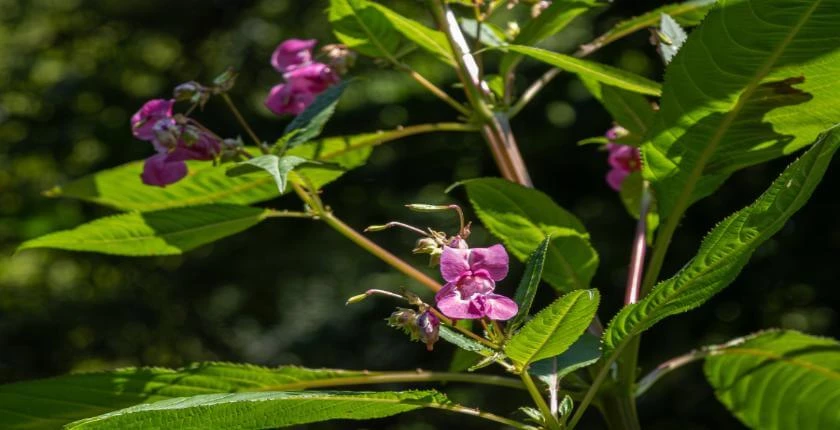
Himalayan Balsam is identified by its pink flowers, serrated green leaves, and hollow reddish stems. It grows near water sources.
Is Himalayan Balsam removal environmentally safe?
Yes, we use eco-friendly methods for removal, ensuring minimal impact on the surrounding ecosystem and promoting native plant regrowth.
How often does removal need to be repeated?
Re-evaluation typically occurs annually to prevent regrowth. Some areas might need treatment once every two years.
Does manual removal work?
Manual removal can be effective for small infestations. It requires consistent monitoring and follow-up to ensure success.
How does chemical treatment affect other plants?
We use targeted herbicides, focusing on Himalayan Balsam while minimising effects on other plants. Our approach protects the broader ecosystem.
Get a Free Quote for Himalayan Balsam Removal
Contact Top Japanese Knotweed Removal today to tackle your Himalayan Balsam problem. Our team is ready to provide expert solutions and a free, no-obligation quote.
Related Himalayan Balsam Removal Services
Himalayan balsam removal can form part of a wider strategy for managing invasive plant growth. An invasive weed control service can help address sites where several problematic species require coordinated management.
Other specialist options include giant hogweed removal for affected areas and horsetail control where persistent horsetail growth is causing problems. Japanese knotweed concerns can be assessed separately through a Japanese knotweed identification service.