
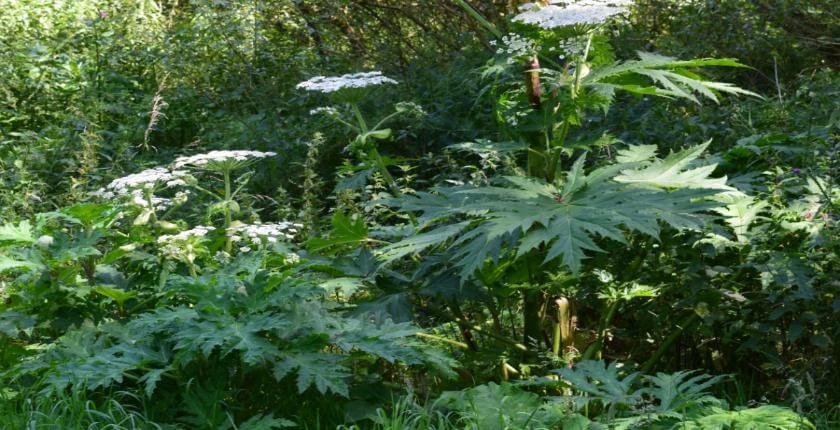
Giant Hogweed Removal
Get in touchAt Top Japanese Knotweed Removal, we specialise in giant hogweed removal, providing expert solutions. Our team employs targeted herbicide treatments and safe mechanical control methods to protect people and property from the risks of this invasive plant.
Giant hogweed can cause severe skin irritation and long-term environmental damage. We operate throughout and the surrounding area.
Contact us today to safely manage this hazardous weed.
What Is Giant Hogweed Removal?
Giant hogweed removal involves eradicating this invasive and dangerous plant from affected areas. At Top Japanese Knotweed Removal, we target the plant with methods that prevent regrowth and protect the surrounding environment.
Giant hogweed can grow up to five metres tall, with large leaves and sap that causes serious skin burns.
Our removal process typically includes a combination of herbicide application, cutting, and digging. Herbicides containing glyphosate are often used because they are effective in killing the plant without harming native flora.
Proper protective equipment, such as gloves and goggles, is essential when handling giant hogweed due to its toxic sap. Removal is best conducted between early spring and late summer when the plant is actively growing.
Timely removal minimises health risks and prevents the plant from spreading along waterways and footpaths. For homeowners and public property managers, our services ensure safer access to outdoor spaces.
Contact us today for professional assistance.
What Types of Giant Hogweed Removal Are Available?
We offer a range of giant hogweed removal methods, each tailored to specific situations. Our approach ensures the safe and effective management of this invasive plant across various environments, from residential properties to commercial land.
Herbicide application: We employ selective herbicides like glyphosate or triclopyr, which target hogweed without damaging surrounding native vegetation. This method is suitable for large and inaccessible areas.
Mechanical removal: Using equipment such as brush cutters and root extractors, we cut and uproot giant hogweed plants to physically eliminate them. This method is ideal for areas where herbicides can't be used.
Soil treatment: We treat the infested soil with organic amendments and barrier fabrics to hinder seed germination and spread. This approach is crucial when preventing future outbreaks on contaminated lands.
Monitoring and maintenance: Our team conducts regular site visits, using GPS mapping and photographic surveys to track progress and implement additional treatments. This ongoing effort secures long-term eradication.
Contact us to discuss the best solution for your property.
What Areas Are Covered by Giant Hogweed Removal?
In , giant hogweed removal generally involves tackling infestations in residential gardens, public parks, riverbanks and agricultural land. At Top Japanese Knotweed Removal, we address outbreaks along roadsides, near watercourses and in any affected property, ensuring they do not pose a safety hazard.
Properties with abundant sunlight and moist soil are particularly susceptible to giant hogweed growth.
Our removal process aligns with the Wildlife and Countryside Act 1981 to prevent further spread. We use methods such as herbicide application and mechanical excavation, using equipment like flail mowers and brush cutters to effectively control the plant.
Sensitive ecosystems such as nature reserves require careful handling to avoid ecological disruption. We also offer monitoring services to ensure regrowth is promptly addressed and provide advice on best practices for land management to deter future infestations.
When Is Giant Hogweed Removal Needed?
Giant hogweed removal is needed when this plant is present on your land. If you notice its distinctive white flower heads and towering stalks, it is crucial to remove them quickly.
Hogweed sap poses a health risk, especially in spring and summer, when sunlight can enhance its toxic effects. The sap can cause severe skin irritation and blistering, a condition known as phytophotodermatitis, which can lead to long-lasting scars.
Early intervention prevents the plant's aggressive spread.
The plant is particularly problematic in gardens, parks, and near watercourses, where its extensive root system can destabilise soil and harm local biodiversity. As it grows up to five metres tall, it can overshadow native plants, disrupting the environment.
Identifying giant hogweed early and employing methods such as herbicidal treatments or manual removal can mitigate these risks effectively. Our professional team is ready to assist you in managing this invasive species.
How Does Giant Hogweed Removal Work?
Giant hogweed removal includes several steps to ensure complete eradication:
Survey: Conduct a thorough assessment of the affected area to identify plant locations. We use GPS mapping technology to accurately chart the spread of the infestation across various terrains.
Planning: Develop a strategy tailored to the specific size and extent of the infestation. Our plans consider local environmental regulations and any nearby flora and fauna that might be impacted by treatment methods.
Treatment: Apply herbicide or mechanically remove plants, depending on site requirements. For chemical methods, we use glyphosate-based herbicides, which are effective in targeting the weed while being safe for most non-target species.
Monitoring: Regular checks to ensure effectiveness and address any regrowth. We also employ soil testing to ensure that no residual roots remain, which can help prevent future outbreaks.
By following these steps, we can effectively manage and reduce giant hogweed infestations. Contact us to learn more about our services.
How Long Does Giant Hogweed Removal Take?
Most giant hogweed removal projects take several days to complete, including planning and treatment. Initial steps involve a detailed site survey to assess the extent of the infestation and determine the most suitable removal methods, such as chemical herbicides or mechanical removal.
Our team uses specific herbicides, like glyphosate, to ensure efficient treatment, adhering to safety standards set by the Environment Agency.
Treatment effectiveness is usually observable within two to three weeks, with follow-up sessions for complete eradication often required over the summer months. In cases where giant hogweed has spread near water bodies or in public spaces, additional precautions are necessary to minimise environmental impact and ensure public safety.
For complex infestations, extended monitoring may be needed. We document all steps of the removal process, providing reports to property managers, ensuring you have a clear record of actions taken.
Who Needs Giant Hogweed Removal?
Giant hogweed removal is essential for homeowners, local authorities, and businesses experiencing infestations. This invasive plant poses significant public health risks due to its toxic sap, which can cause severe skin burns and blisters upon contact.
Residential property owners must address these risks to ensure their family's safety and avoid potential legal liabilities.
Local councils have a responsibility to maintain safe public spaces, such as parks and riversides, where giant hogweed can spread rapidly. Specialised equipment like protective clothing and herbicide sprayers is often necessary to eradicate these plants, maintaining the safety and usability of these areas.
For farms and landowners, the presence of giant hogweed can lead to soil erosion and threaten the productivity of agricultural land. Implementing control measures can preserve both land value and agricultural potential.
If you suspect an infestation on your property, we can provide professional assistance to safely and effectively eliminate it.
How Much Does Giant Hogweed Removal Cost?
Giant hogweed removal typically costs between £500 and £1,500 per project, depending on the infestation's size and complexity. These costs include several essential elements: an initial site survey, specialised treatment applications, and necessary follow-up visits to ensure successful eradication.
We use various eradication methods such as herbicidal treatments, which often require multiple applications of glyphosate over specific periods, as well as manual removal techniques for smaller areas.
Factors influencing the price include the area covered, plant density, accessibility of the site, and the choice of eradication method. The size of the affected area and the type of surrounding ecosystems can also impact the approach and cost.
Clients such as local councils, private landowners, and developers might require additional compliance checks for regulations. Contact us for a detailed quote tailored to your needs.
What Are the Benefits of Giant Hogweed Removal?
Giant hogweed removal offers several key benefits:
Firstly, Safety: This plant contains toxins that can cause severe skin burns and blisters upon contact. Removing giant hogweed decreases the risk of injuries to people frequenting public and private spaces, especially children and gardeners.
Secondly, Environment: By eradicating giant hogweed, we help protect the local ecosystem. This plant is aggressive and can rapidly outcompete native flora, leading to their decline.
Removing it aids in maintaining the balance and biodiversity of local habitats.
Thirdly, Property: Giant hogweed can devalue properties by causing damage to infrastructure and making gardens unsafe. Effective removal helps in maintaining and potentially increasing land and property value, especially in residential areas and public parks.
Lastly, Compliance: We ensure adherence to national guidelines and local regulations concerning invasive species management, thereby preventing potential legal issues for landowners. Regular removal, paired with monitoring, is crucial for long-term control.
Feel free to contact us to discuss your specific needs and arrange a consultation.
Why Choose Top Japanese Knotweed Removal for Giant Hogweed Removal?
Choosing Top Japanese Knotweed Removal for giant hogweed removal ensures professional, effective service. Our experienced teams use proven techniques such as foliar herbicide application and stem injection, specifically targeting the plant's deep root system to prevent regrowth.
We adhere to strict safety standards, complying with the Control of Pesticides Regulations 1986 to ensure safe handling of all chemicals.
Our experts use equipment like protective clothing and specialised sprayers to minimise risk during removal. With an understanding of the environmental impact, we take steps to protect surrounding flora and fauna, working within an ecologically sensitive approach.
Projects are typically completed from planning to execution within two to three weeks, suitable for both residential properties and large commercial sites.
We are committed to ecological consideration and client satisfaction in every project.
Contact us today to schedule an assessment.
Giant Hogweed Removal: Frequently Asked Questions
How dangerous is giant hogweed?
Giant hogweed is highly dangerous. Its sap can cause severe skin burns and permanent scarring, especially under sunlight.
How often should I have my property checked for giant hogweed?
Annual checks are advisable to prevent giant hogweed from becoming established. Regular monitoring ensures early intervention.
Does giant hogweed removal guarantee it will not return?
Effective removal minimises the chance of return. However, monitoring and maintenance are vital due to seed dispersal.
Can I remove giant hogweed myself?
Due to safety risks, professional removal is recommended. Our team uses specialised methods to ensure safe eradication.
What should I do if I encounter giant hogweed?
Avoid touching the plant and contact us immediately for professional removal. Ensure others are aware of the hazard.
Get a Free Quote for Giant Hogweed Removal
Contact us today to arrange your professional giant hogweed removal.
Related Giant Hogweed Removal Services
Giant hogweed removal provides specialist control for sites affected by this invasive plant. Where multiple invasive species are present, invasive weed control services can provide a broader management approach.
Properties may also require control of other persistent plants, including Himalayan balsam and invasive bamboo growth. For Japanese knotweed specifically, a knotweed survey can establish whether that species is also present.