
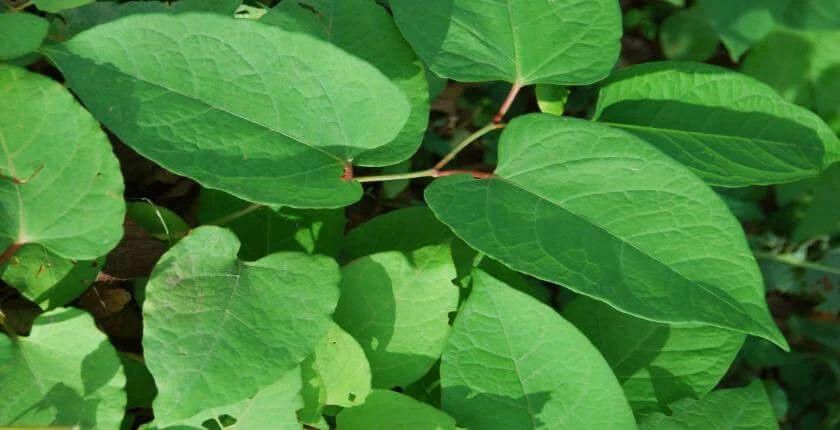
Japanese Knotweed Identification
Get in touchAt Top Japanese Knotweed Removal, we specialise in Japanese knotweed identification and the area. Our team accurately identifies this invasive plant, helping you prevent structural and environmental damage.
Using advanced techniques and tools, we assess properties for any signs of knotweed infestations. Protect your residential or commercial property by contacting us today.
What Is Japanese Knotweed Identification?
Japanese knotweed identification is a process that involves recognising the presence of the invasive plant species, Fallopia japonica. At Top Japanese Knotweed Removal, we meticulously inspect properties to confirm knotweed growth.
This assessment includes examining characteristic features such as hollow stems, heart-shaped leaves, and seasonal growth patterns. We also look for reddish-purple shoots in spring and the white, creamy flower clusters that appear in late summer.
Our identification process often involves using root tracing techniques to map out the extent of infestation. We use digital imaging and GPS mapping to document affected areas, ensuring precise reporting.
Accurate identification is crucial to developing an effective management plan, as knotweed can cause significant issues like property devaluation and structural damage due to its aggressive root system. Our services help inform property owners of potential risks and prepare them for appropriate action.
What Types of Japanese Knotweed Identification Are Available?
In , we offer several methods for Japanese knotweed identification to suit different needs and environments, ensuring early detection and effective management:
Visual Inspection: A thorough examination of your property to spot visible signs of knotweed, including the distinctive zigzag stem pattern, heart-shaped leaves, and purple-speckled canes.
Soil Testing: Analysing soil samples to detect knotweed rhizomes underground. This method is particularly useful for pre-construction assessments and when knotweed is suspected but not visible.
Aerial Surveying: Using drone technology to inspect large areas for knotweed from above. This method captures high-resolution images and identifies infestations in hard-to-reach places, ideal for large estates or commercial properties.
Our knowledgeable team can guide you in selecting the most suitable method based on your property's specific conditions. Call us to discuss your options and schedule an identification service.
When Is Japanese Knotweed Identification Needed?
Japanese knotweed identification is necessary when you suspect an infestation on your property. Signs such as rapid plant growth, dense clusters, and visible rhizomes call for immediate attention.
This invasive species is notorious for causing structural damage, penetrating through pavements and walls, and disrupting drainage systems.
Property transactions, construction projects, and routine garden checks also necessitate identification efforts. Mortgage lenders often require a knotweed survey and management plan to proceed with financing, highlighting its impact on property value.
Construction projects face potential delays and increased costs if knotweed is found on site, as it requires careful removal in accordance with Environment Agency guidelines.
Early detection is crucial, so contact us at the first suspicion of knotweed to avoid costly damage. We provide comprehensive surveys and advice to help safeguard your investment and property integrity.
How Does Japanese Knotweed Identification Work?
We follow a systematic process for Japanese knotweed identification, ensuring precision at every stage. Japanese knotweed, scientifically known as Fallopia japonica, is a highly invasive plant that can cause structural damage to buildings and infrastructure.
Identifying it early is crucial to prevent costly repairs and environmental impact.
Initial Consultation: Discuss your concerns with our experts. We assess the likelihood of infestation based on local flora and your property's history.
Site Inspection: Conduct a detailed physical survey of the area. We look for characteristics such as distinct bamboo-like stems and shield-shaped leaves.
Testing: Perform necessary tests like soil analysis to check for dormant rhizomes, which can lead to future regrowth if left unchecked.
Report: Provide a report on findings, detailing the extent of the infestation and its potential impact on your property.
Recommendation: Suggest removal or control measures if needed, following guidelines set by the Royal Horticultural Society for environmentally responsible management.
Our methodical approach ensures thorough identification and effective management steps.
Contact us for expert assistance in safeguarding your property.
How Long Does Japanese Knotweed Identification Take?
Japanese knotweed identification typically takes one to three days, depending on the property's size and access to the site. Larger areas may extend the timeline slightly.
We conduct thorough inspections using modern detection methods such as thermal imaging and drone surveys to accurately map the spread of the knotweed. Our specialists are highly trained in botanic assessments and certified to follow Environment Agency guidelines, ensuring compliance with environmental standards for invasive species management.
After completing the site survey, we compile a detailed report outlining the extent of the infestation, providing clients with photographic evidence and growth pattern analysis. Recommendations for next steps are included, covering chemical treatments or excavation where needed.
Our team strives to complete surveys efficiently, delivering reports and recommendations promptly. Get in touch with us to book an identification service and secure your property.
Who Needs Japanese Knotweed Identification?
Property owners benefit from our Japanese knotweed identification services. This includes homeowners, commercial property owners, real estate agents, and developers.
Japanese knotweed can cause structural damage by affecting foundations, walls, and drainage systems, making early identification crucial. Those managing residential properties or overseeing large-scale developments can also prevent costly repairs with timely intervention.
We employ industry-approved methods such as visual inspections and detailed surveys using the Royal Institution of Chartered Surveyors (RICS) guidelines. Additionally, we help clients prepare their properties for sale by ensuring compliance with mortgage lender requirements, which often demand confirmation of weed removal.
Anyone looking to buy, sell, or maintain a property should consider an assessment to protect their investment. For comprehensive identification across these sectors, contact us today.
How Much Does Japanese Knotweed Identification Cost?
Japanese knotweed identification costs typically range from £200 to £600, depending on the survey scope and property size. We employ several methods for accurate identification, including visual inspections and molecular tests such as DNA analysis.
Factors such as the complexity of the site and its accessibility can influence the final price. For example, residential versus commercial properties might have differing levels of complexity due to the scale and layout.
We follow guidelines from the Royal Institution of Chartered Surveyors (RICS) to ensure thoroughness in our surveys. Our competitive rates ensure you receive value for money.
Reach out for a customised quote tailored to your property's needs.
What Are the Benefits of Japanese Knotweed Identification?
Identifying Japanese knotweed offers several advantages:
Early Detection: Identifying this invasive plant early helps prevent its rapid spread, reducing the need for extensive excavation or chemical treatment later. Our teams use tools like GPS mapping and remote sensing for accurate and efficient assessments.
Property Protection: Japanese knotweed can severely damage buildings by penetrating walls, foundations, and drainage systems. Early identification protects against these threats, preserving your property's structural integrity and resale value.
Regulatory Compliance: The presence of knotweed can complicate property sales, as sellers must disclose any infestations. Identifying it early ensures compliance with local and national regulations, especially those outlined under the Wildlife and Countryside Act 1981.
Risk Assessment: We evaluate the level of infestation and suggest suitable treatment options, considering factors like proximity to important structures and watercourses.
Timely identification is crucial for maintaining property value and avoiding legal issues. Contact us to schedule an inspection.
Why Choose Top Japanese Knotweed Removal for Japanese Knotweed Identification?
Choosing Top Japanese Knotweed Removal for your identification needs means relying on experienced professionals with extensive knowledge of local flora. Our trained team employs specialist equipment such as thermal imaging cameras and drones equipped with high-resolution sensors to detect even hidden infestations.
We adhere to the latest British Standards, ensuring our findings are not only precise but also align with environmental guidelines.
The identification process involves detailed surveying and analysis, often complemented by laboratory testing to confirm species and propagation potential. Regular updates throughout the identification phase keep you informed of progress and any potential risks, allowing you to act swiftly to mitigate damage.
Protect your property and its value by contacting us for expert assistance in managing this invasive species effectively.
Japanese Knotweed Identification: Frequently Asked Questions
How can I identify Japanese knotweed in my garden?
Look for hollow stems, heart-shaped leaves, and white flowers. Call us to confirm your findings.
Does knotweed identification require a professional?
Professional identification provides accurate results, especially.
How often should I check for knotweed?
We recommend annual checks, especially in high-risk areas within .
Is Japanese knotweed dangerous?
Yes, it can cause structural damage. Contact us for an assessment if you suspect its presence.
Get a Free Quote for Japanese Knotweed Identification
Contact Top Japanese Knotweed Removal today to arrange your Japanese knotweed identification.
Related Japanese Knotweed Identification Services
Accurate Japanese knotweed identification can establish whether suspected growth is Japanese knotweed before treatment is selected. Where the plant is confirmed, a Japanese knotweed survey can assess its presence and potential extent.
For confirmed infestations, Japanese knotweed removal provides a route towards controlling the problem, while invasive weed control services can address other problematic plant species.