
Japanese Knotweed Removal
Get in touchAt Top Japanese Knotweed Removal, we specialise in the eradication of invasive Japanese knotweed and the surrounding area. Our team employs proven techniques like herbicide application and excavation to effectively manage and remove knotweed infestations.
This service tackles residential, commercial, and industrial sites, preventing structural damage and reclaiming valuable land. Get in touch with us today to arrange a survey and safeguard your property.
What Is Japanese Knotweed Removal?
Japanese knotweed removal is the process we use to manage and eradicate the invasive plant, Japanese knotweed, which can cause significant structural damage. This service involves techniques such as herbicide treatment and physical removal, tailored to the specific site requirements.
We assess each site to determine the most effective method, whether it's the foliar spray method, stem injection, or rhizome barrier installation.
Herbicides like glyphosate are often applied over several growing seasons to ensure thorough eradication. In certain cases, excavation and sifting may be necessary to remove extensive root systems from the soil.
Our team is trained to comply with Environment Agency guidelines to safely dispose of knotweed waste. By addressing knotweed growth, we help prevent damage to buildings, roads, and landscapes.
Our approach ensures that properties are protected from this aggressive plant species. Contact us for a evaluation and to discuss how we can assist with your knotweed issues.
What Types of Japanese Knotweed Removal Are Available?
We offer a variety of Japanese knotweed removal services to suit different site needs, each matched to specific scenarios and environmental considerations:
Herbicide Treatment: Systematic application of approved chemicals, such as glyphosate or triclopyr, applied over several growing seasons to control and eradicate knotweed effectively. This method is often suitable for residential gardens and areas not requiring immediate development.
Excavation: Involves physical removal of knotweed and its root system, reaching depths of up to three metres. Best suited for development sites where knotweed presence could interfere with construction processes, this method ensures minimal delay to project timelines.
On-Site Burial and Encapsulation: Provides safe management by burying knotweed in geotextile membranes to prevent regrowth, suitable for non-critical areas like verges and waste ground where future land use is not planned.
Heat Treatment: Uses controlled heat to kill knotweed rhizomes. This method appeals to sites where chemical use is restricted or environmental impact must be minimised.
Contact us to discuss the best method for your specific situation, ensuring compliance with relevant environmental legislation and site regulations.
What Properties and Situations Are Suitable for Japanese Knotweed Removal?
Japanese knotweed removal is suitable for a wide range of scenarios, addressing both invasive plant control and property safeguarding. Our services cater to residential properties with garden invasions, which can threaten foundations and drainage systems.
In commercial areas, knotweed can pose risks to structures and affect property values, making prompt removal essential. Public lands like parks and roadsides may suffer from erosion control issues if knotweed is left unchecked, as its roots can destabilise soil on embankments and riverbanks.
It is important to note, however, that removal is not suitable for properties where invasive species are protected under local biodiversity regulations. In these cases, we work closely with ecologists and local councils to find acceptable solutions that comply with legal standards.
Consult with us to evaluate your property and discuss a suitable management plan tailored to your specific needs.
When Is Japanese Knotweed Removal Needed?
Japanese knotweed removal is necessary when this invasive plant is identified, typically between early spring and late autumn. During this period, the plant's above-ground growth is most visible, making it easier to identify.
Early intervention is vital, especially when knotweed is encroaching on structures or posing an environmental threat, as it can weaken building foundations and flood defences. In larger gardens or commercial properties, infestations might spread quickly if not controlled, risking costly repairs and loss of property value.
Our team employs techniques such as stem injection and herbicidal treatments, adhering to Environment Agency guidelines to ensure effective eradication. These methods can take from a few weeks to a full growth cycle to achieve results, particularly on heavily infested sites.
Book an evaluation with our team at the first sign of growth to prevent escalation and avoid legal issues associated with knotweed invasions.
How Does Japanese Knotweed Removal Work?
The process of Japanese knotweed removal involves the following steps:
Assessment: We conduct a thorough site survey to determine the extent of the infestation. This includes measuring the affected area and identifying any potential risks to the surrounding structures or ecosystems.
Treatment Plan: Based on the assessment, we develop a tailored treatment strategy. We consider factors such as the season, soil type, and proximity to water sources, ensuring the most effective approach is chosen.
Implementation: Apply the agreed removal method, such as herbicide or excavation. Herbicide application may involve using glyphosate or imazapyr, while excavation requires careful removal with specialised equipment to prevent contamination.
Monitoring: Conduct follow-up checks to ensure the effective eradication of knotweed. Monitoring typically occurs over several months to confirm there is no regrowth.
Our professional approach ensures that each phase is carefully managed for the best results, adhering to relevant environmental guidelines. Contact us today to schedule your assessment.
How Long Does Japanese Knotweed Removal Take?
Japanese knotweed removal typically takes several months to a year, depending on the infestation extent and selected method. For example, herbicide treatments, involving glyphosate application, usually span over a growing season (around six to twelve months) to ensure thorough root eradication.
These treatments are effective for clients wanting minimal disturbance to the soil. Excavation, on the other hand, can be completed more quickly, often within a week, and is suited for sites requiring immediate results, such as construction areas.
Mechanical excavation requires specialised equipment like mini diggers and involves the removal and safe disposal of all plant material to prevent regrowth.
Additionally, we ensure that all procedures comply with UK Environment Agency standards for effective and environmentally-responsible knotweed management. For an accurate timeline, contact us for a detailed site assessment.
Who Needs Japanese Knotweed Removal?
Japanese knotweed removal is essential for homeowners, property developers, and local councils facing damage from this invasive plant. Its rapid growth can undermine building foundations and damage concrete structures, which poses significant structural risks.
Mortgage lenders may also require a treatment plan before approving loans, making removal crucial for real estate transactions to proceed smoothly.
Organisations, such as educational institutions and housing associations, aiming to avoid legal compliance issues also benefit from our services, as failing to manage knotweed can lead to fines under the Wildlife and Countryside Act 1981. We employ a range of methods, including herbicide application and excavation with site-specific techniques, to comprehensively address these infestations.
For any property affected by knotweed, seek our expert assistance. Our team is equipped to provide tailored solutions for long-term control and eradication.
How Much Does Japanese Knotweed Removal Cost?
Japanese knotweed removal typically costs between £1,000 and £5,000, depending on the infestation size and complexity. For minor infestations, where the plant cover is minimal, clients often select herbicide treatment.
This involves applying glyphosate-based products over several growing seasons, beginning at around £1,000. For larger or persistent infestations requiring immediate resolution, excavation is often the preferred method.
This involves physically removing the plant and affected soil to a depth of approximately three metres, with costs potentially exceeding £5,000 for large-scale removal. We comply with Environment Agency guidelines to ensure safe and effective removal, mitigating risk to surrounding structures.
Get a competitive quote from our team based on your precise needs.
What Are the Benefits of Japanese Knotweed Removal?
Removing Japanese knotweed offers numerous advantages:
Prevents Property Damage: Japanese knotweed roots can extend up to three metres deep and seven metres wide, threatening foundations, walls, and drainage systems. Effective removal prevents costly repairs.
Enhances Land Value: Clearing knotweed can raise property values by making land more attractive for residential and commercial development. Properties with a knotweed management plan often sell more readily.
Ensures Legal Compliance: Invasive species legislation, such as the Wildlife and Countryside Act 1981, mandates control to prevent the knotweed's spread. Compliance helps avoid penalties and maintains good relations with neighbours.
Environmental Safety: Eradicating this invasive plant helps restore local biodiversity and protect native species. The control processes we employ, including herbicide treatment and excavation, are designed to minimise environmental disruption.
For a reliable service that delivers these benefits, reach out to us today.
What Regulations Apply to Japanese Knotweed Removal?
In the UK, Japanese knotweed removal is regulated under the Wildlife and Countryside Act 1981, which prohibits its intentional introduction or spread in the wild. Additionally, the Environmental Protection Act 1990 classifies knotweed as "controlled waste".
This classification requires it to be handled and disposed of correctly at licensed landfill sites. Landowners have a duty of care to control Japanese knotweed on their property, and failure to manage its disposal can result in fines or legal action.
We adhere to these regulations by using methods such as excavation and herbicide treatment that are proven to be effective in controlling the plant. Our team is trained to carry out removal in an environmentally responsible manner, ensuring that the knotweed does not spread to surrounding areas.
We guide our clients through compliance with these legal requirements to prevent potential liabilities.
Why Choose Top Japanese Knotweed Removal for Japanese Knotweed Removal?
Top Japanese Knotweed Removal provides a service with specialist expertise and tailored treatment plans. We use industry-approved methods such as stem injection and foliar spraying, ensuring thorough control of the knotweed's growth cycle.
Advanced equipment like infra-red cameras and GPS mapping tools help us identify and monitor challenging infestations effectively, ensuring precision in treatment application.
Our eradication services not only align with the highest standards set by the Property Care Association but also adhere to Environment Agency guidelines for safe disposal. Projects range from residential gardens to expansive commercial properties, ensuring flexibility to meet diverse client needs.
With a focus on managing cases within agreed timescales, we offer phased treatments lasting several growing seasons to guarantee the complete removal of knotweed.
Our commitment to compliance and customer satisfaction makes us the trusted choice. Call us today to discuss your project requirements.
Japanese Knotweed Removal: Frequently Asked Questions
How long does Japanese knotweed treatment take?
Treatment duration typically ranges from six months to over a year, depending on the infestation severity and chosen method. Contact us for a precise timeline.
Can Japanese knotweed reappear after removal?
Yes, if not fully eradicated, knotweed may return. Our follow-up checks help minimise recurrence, ensuring long-term success.
Is knotweed removal covered by insurance?
Most home insurance policies do not cover Japanese knotweed removal. Check with your insurer for specific coverage details.
What is the best season for removing knotweed?
The optimal time for removal is during the growing season between spring and autumn when treatments are most effective.
How do I identify Japanese knotweed on my property in ?
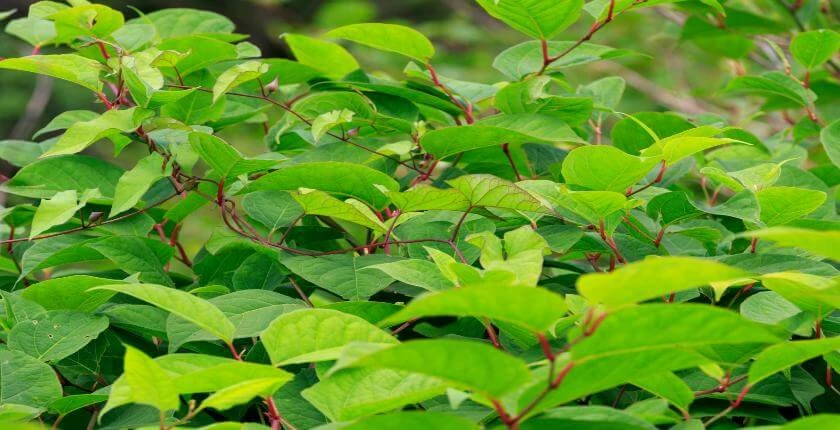
Look for large heart-shaped leaves and bamboo-like stems. If you suspect its presence on your property, arrange an inspection with us.
Get a Free Quote for Japanese Knotweed Removal
Contact us today to request a free quote for Japanese knotweed removal. Our team is ready to assist you in managing and eradicating this invasive plant effectively.
Related Japanese Knotweed Removal Services
Professional Japanese knotweed surveys can establish the extent of an infestation before a suitable removal strategy is selected. Where treatment is appropriate, herbicide treatment for Japanese knotweed can provide a targeted approach to controlling established growth.
For sites requiring physical clearance, Japanese knotweed excavation provides a more intensive removal option, while knotweed monitoring and aftercare can help assess the effectiveness of the chosen approach over time.