
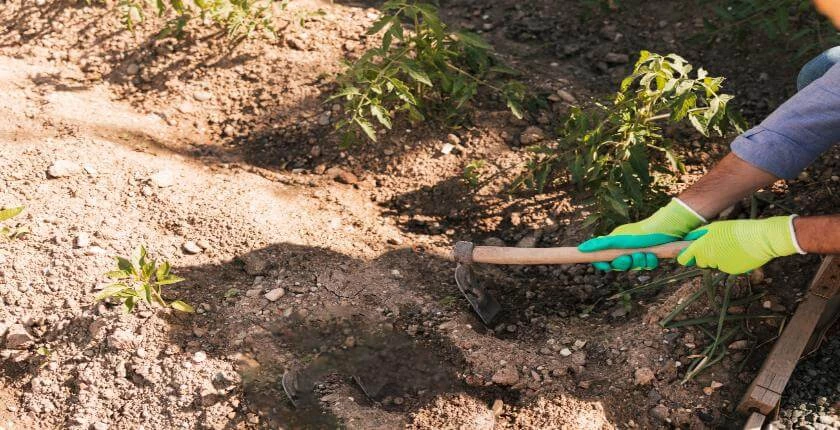
Japanese Knotweed Excavation
Get in touchAt Top Japanese Knotweed Removal, we specialise in providing comprehensive Japanese knotweed excavation services. Our team employs strategic excavation methods to remove this invasive plant effectively, safeguarding your property from potential structural damage.
We cater to both residential and commercial properties, ensuring thorough removal processes that comply with UK regulations. Covering and the surrounding postcode area, we are here to assist you.
Contact us to secure your property today.
What Is Japanese Knotweed Excavation?
Japanese knotweed excavation is the process of physically removing this invasive plant, including its extensive root system, from affected sites. At Top Japanese Knotweed Removal, we tackle knotweed issues by thoroughly excavating and disposing of the plant material.
This process involves using specialised equipment such as mechanical excavators, which carefully dig down to reach rhizomes buried up to three metres underground. Excavation is crucial because Japanese knotweed can cause significant structural damage to buildings, roads, and walls if left unchecked.
Our professional team follows industry standards, such as the Environment Agency's "Code of Practice", to ensure complete removal and proper disposal methods, preventing future regrowth. We often coordinate with local waste facilities to dispose of the contaminated soil safely, adhering to legal regulations.
Get in touch to secure your property with our expert services.
What Types of Japanese Knotweed Excavation Are Available?
There are several excavation methods we use depending on the specific requirements of your site:
Full Excavation: Complete removal of knotweed and soil, preventing regrowth. This method is suitable for larger areas where knotweed infestation is extensive, ensuring comprehensive eradication by following Environment Agency guidelines.
Partial Excavation: Targets specific areas with dense knotweed growth. This focuses on problematic zones using precise equipment like mini-diggers, minimising disruption to the rest of your property, and is practical for urban settings with limited access.
Bund Method: Excavates and moves knotweed to a secure location on-site for treatment. This containment strategy is effective in scenarios where immediate off-site disposal is not viable, as it isolates the knotweed for ongoing chemical treatment.
Root Barriers: Installs barriers to prevent root extension during excavation. These barriers are typically made of durable materials like reinforced polyethylene, effective in safeguarding adjacent structures from potential root damage.
These varied methods enable us to tailor our approach to different site conditions. Contact us to discuss which method best suits your property.
What Does Japanese Knotweed Excavation Cover?
Japanese knotweed excavation typically covers properties affected by this invasive plant, including residential gardens, commercial land, construction sites, and public areas. Our services ensure that all visible knotweed and its roots are thoroughly removed.
We use specialised equipment, such as mini excavators and root barrier membranes, to effectively dig out and contain the plant's extensive underground rhizome network. It’s essential to handle this process diligently as neglecting even small fragments can lead to new growth.
We adhere to the Environment Agency's guidelines to ensure safe disposal of knotweed waste, preventing ecological disruption.
This method is best suited for areas preparing for development, where immediate and complete removal is necessary. However, our excavation process is not suitable for properties that require preservation of historical landscapes without professional prior assessment.
Contact us for expert advice on the best solution for your property.
When Is Japanese Knotweed Excavation Needed?
Japanese knotweed excavation is essential when this aggressive plant is detected on your property. It can grow rapidly, reaching up to 3 metres in height as quickly as ten weeks, making early identification and action critical.
Triggers for excavation include visible signs of plant encroachment near buildings, boundary walls, or waterways, as well as its presence within seven metres of a structure, which can significantly increase the risk of structural damage.
Japanese knotweed can also interfere with drainage systems, leading to waterlogged conditions. If left unchecked, it can cause foundation cracks, damage to pavements, and the undermining of garden walls.
Disruption of nearby properties or construction activities often calls for immediate excavation. Our team is equipped with the necessary tools, including mini excavators and root barriers, to assess the situation and recommend the best course of action promptly.
How Does Japanese Knotweed Excavation Work?
The excavation process encompasses a series of systematic steps designed to address Japanese knotweed infestations comprehensively.
Site Assessment: We conduct a thorough evaluation using surveys to map the infestation, often using GPS technology for accuracy.
Excavation Planning: Detailed planning is essential. We decide on suitable methods, such as root/rhizome screening and controlled excavation, and consider local environmental conditions impacting the process.
Excavation: Our team uses specialised equipment like hydraulic excavators and screening machinery to remove knotweed and contaminated soil down to a depth that ensures no rhizomes remain.
Disposal: Knotweed material is classified as controlled waste, requiring careful transport and disposal at licensed facilities that comply with UK environmental regulations.
Site Restoration: Post-extraction, we often use clean topsoil and implement erosion control measures to reinstate the site for regular activities or further development.
Our expert team ensures each step is executed with precision to eliminate knotweed effectively. Contact us to schedule your excavation project.
How Long Does Japanese Knotweed Excavation Take?
The duration of Japanese knotweed excavation typically takes from two to seven days, depending on the severity of the infestation and site access. We conduct a thorough site survey to determine the extent of the rhizome network, using equipment such as mini diggers and excavators for effective removal of roots up to two metres deep.
Larger areas with extensive root systems might require more time due to the need for additional machinery and personnel.
After excavation, proper disposal of knotweed waste is carried out in compliance with the Environmental Protection Act, ensuring no legal issues. We also undertake soil replacement and land restoration to reinstate the area’s usability, adhering to guidelines from the Environment Agency.
These processes factor into the overall timeline. We ensure efficient operations to minimise disruption to your property.
Reach out for an accurate time estimate tailored to your site’s needs.
Who Needs Japanese Knotweed Excavation?
Various clients, including homeowners, property developers, and public land managers, benefit from our Japanese knotweed excavation services. Residential properties often require excavation to prevent structural damage from roots, which can invade foundations and underground utilities like pipes.
We use excavation methods that comply with the Environment Agency guidelines to ensure effective and legal removal of the knotweed rhizomes.
Commercial sites need clearance for construction projects and to avoid delays caused by the invasive plant. By using mechanical diggers equipped with root barriers, we remove and contain the knotweed, ensuring it does not return to disrupt future developments.
Public spaces, such as parks, also rely on our services to maintain plant control and area safety, using excavation alongside chemical treatments when necessary.
Ensure your property is knotweed-free by contacting us today.
How Much Does Japanese Knotweed Excavation Cost?
Japanese knotweed excavation costs typically range from £50 to £150 per m², depending on the extent of the infestation and the site’s accessibility. Factors that influence cost include the knotweed's root depth and spread, as well as the soil type, which can affect excavation difficulty.
Full excavation methods usually result in higher costs due to more extensive work and soil removal, following guidelines set by the Environment Agency. Heavy machinery such as excavators and grab lorries are often used to efficiently remove large volumes of contaminated soil.
The bund method may be less costly but requires longer site containment and monitoring to prevent regrowth, typically spanning several months.
Our quotes are tailored to meet your specific needs, ensuring competitive and transparent pricing. Request a free, no-obligation quote today.
What Are the Benefits of Japanese Knotweed Excavation?
Excavation offers numerous advantages for properties: this method not only addresses the immediate removal of the invasive species but also prevents further complications. Our excavation process involves using specialised machinery such as excavators with specific attachments for deep digging, ensuring that even the most entrenched rhizomes are uprooted.
Complete Removal: Ensures all knotweed roots are eliminated and taken off-site in accordance with wildlife and environmental management standards.
Property Protection: Prevents structural damage caused by rooting, which can undermine foundations, driveways, and walls, saving expensive repair costs.
Regrowth Prevention: Stops future infestations through effective disposal at licensed landfill sites.
Legal Compliance: Abides by regulations including the Wildlife and Countryside Act 1981 to avoid hefty fines and legal repercussions.
Property Value: Maintains or enhances property value by removing invasive plants that can deter potential buyers and devalue homes.
Excavation is often completed within a few days depending on site size, providing an efficient solution. Contact us to protect your investment with our effective excavation solutions.
What Regulations Apply to Japanese Knotweed Excavation?
Japanese knotweed excavation must comply with UK waste management regulations. Under the Environmental Protection Act 1990, soils containing knotweed are classified as ‘controlled waste,’ requiring disposal at licensed facilities.
Further legislation, such as the Wildlife and Countryside Act 1981, mandates that knotweed must not be allowed to spread to the wild. As a result, we implement strict protocols during excavation to avoid contamination and ensure proper containment.
Our team is trained in assessing site-specific conditions and adapting our approach to conform to regulations such as the Waste (England and Wales) Regulations 2011. This includes comprehensive risk assessments and method statements, ensuring environmentally responsible practices.
We collaborate with waste carriers registered with the Environment Agency to maintain compliance throughout the transport and disposal process.
Our services ensure all work abides by these legal obligations, safeguarding both your property and the surrounding environment. For expert guidance on knotweed excavation, contact us today.
Why Choose Top Japanese Knotweed Removal for Japanese Knotweed Excavation?
Choosing Top Japanese Knotweed Removal for your excavation needs means partnering with a company committed to effective and compliant knotweed removal. We adhere to the guidelines set out by the Environment Agency, ensuring each excavation is legally compliant.
Our experienced team uses specialised equipment like mini excavators and root shields to ensure thorough removal, effectively preventing regrowth.
We offer tailored solutions and a customer-focused approach for all property types. From residential gardens to commercial developments, our method involves not only excavation but also safe disposal at approved landfill sites.
Typically, the excavation and removal process takes two to three days, depending on the extent and density of the infestation.
Trust us to secure your site from the risks posed by this invasive species.
Contact us today to discuss your excavation requirements and receive a quote.
Japanese Knotweed Excavation: Frequently Asked Questions
How much does Japanese knotweed excavation cost?
Japanese knotweed excavation typically costs between £50 and £150 per m². Costs vary based on infestation size and accessibility factors. Contact us for a precise quote.
How long does it take to excavate Japanese knotweed?
Excavating Japanese knotweed generally takes two to seven days. Timeframes depend on infestation extent and specific site conditions.
Can Japanese knotweed grow back after excavation?
While excavation reduces the chance of regrowth, complete eradication depends on thorough removal and monitoring. We recommend follow-up checks to ensure full elimination.
Is Japanese knotweed excavation legal?
Yes, it is legal and often necessary to remove Japanese knotweed, particularly to comply with property and environmental regulations in the UK.
Do I need a permit for knotweed excavation?
No specific permit is required for excavation. However, waste disposal must comply with environmental laws.
We ensure full compliance.
Get a Free Quote for Japanese Knotweed Excavation
Contact Top Japanese Knotweed Removal for an expert Japanese knotweed excavation service. Our team is ready to assist with your needs.
Related Japanese Knotweed Excavation Services
Physical Japanese knotweed excavation may form part of a wider remediation strategy where contaminated material needs to be addressed. A Japanese knotweed survey can help define the affected area before excavation works are planned.
For development projects, knotweed removal for property developers can integrate invasive weed considerations into wider site requirements. Ongoing monitoring and aftercare can then help track the site following removal.