
Commercial Japanese Knotweed Removal
Get in touchAt Top Japanese Knotweed Removal, we specialise in commercial Japanese knotweed removal services and the surrounding postcode area. Our experienced team employs industry-standard methods to control this invasive species.
We protect commercial properties using techniques such as excavation, herbicide treatment, and ongoing monitoring. Our services cater to various sectors, including construction, retail, and hospitality, ensuring your site remains free from the destructive impact of knotweed.
Get in touch with us today to discuss your needs.
What Is Commercial Japanese Knotweed Removal?
Commercial Japanese knotweed removal involves the systematic eradication of Japanese knotweed from commercial sites. At Top Japanese Knotweed Removal, we carry out specialised procedures to control and eliminate this invasive plant.
Our approach uses a combination of excavation, herbicide treatments, and site assessments to manage knotweed effectively.
We use equipment such as mini-excavators and tracked loaders for precision excavation of knotweed-infested areas, ensuring all rhizomes are removed. Our herbicide treatments include glyphosate-based solutions applied in accordance with Environment Agency guidelines, typically over a two- to three-year period to ensure effective control.
Initial site assessments help us tailor our approach to the specific needs of each property, considering factors like soil type and proximity to water sources.
This ensures compliance with UK regulations while protecting property values. By removing knotweed, we help safeguard building foundations and prevent legal issues related to plant encroachment.
If you're dealing with Japanese knotweed on commercial property, contact us for an assessment.
What Types of Commercial Japanese Knotweed Removal Are Available?
At Top Japanese Knotweed Removal, we offer a range of knotweed removal options for commercial properties. These services are designed to address the specific needs of diverse commercial sites, such as office complexes, retail centres, and industrial facilities.
Excavation: This method involves the physical removal of root systems and contaminated soil, typically employing heavy machinery such as excavators to reach depths necessary to fully eradicate the roots. This is especially effective for large infestations where immediate removal is required.
Herbicide Treatment: We use chemical solutions tailored to impede knotweed regrowth. This process often includes chemicals approved under the Control of Pesticides Regulations 1986, with treatments applied over several seasons for optimal results.
Barrier Methods: Installing geo-membrane root barriers can prevent the spread of knotweed into adjacent areas. These barriers are crucial for properties located near sensitive zones, ensuring the surrounding environment remains uninvaded.
On-going Monitoring: Regular site checks conducted by our qualified technicians ensure that knotweed does not return, with periodic assessments and additional treatments provided if necessary. This proactive approach aligns with guidelines set by the Environment Agency, maximising long-term control.
Contact us to discuss the best knotweed removal strategy for your commercial site.
When Is Commercial Japanese Knotweed Removal Needed?
Japanese knotweed removal is necessary when the plant is present on commercial properties. This invasive species can cause significant structural issues by penetrating and weakening building foundations, pavements, and drainage systems.
Construction plans, particularly those involving excavation or redevelopment, should incorporate a knotweed management survey to identify and mitigate potential risks. Owner obligations also arise when Japanese knotweed encroaches on neighbouring land, leading to potential legal disputes under the Environmental Protection Act 1990.
Additionally, knotweed presence can hinder a property's value and affect insurance and mortgage applications. Timely removal, using methods such as herbicidal treatment or root barrier installation, prevents spread and mitigates legal and financial risks.
Our team follows the guidelines set out by the RICS to ensure compliance and effectiveness. If you suspect a knotweed problem, contact us now to assess your site.
How Does Commercial Japanese Knotweed Removal Work?
Our commercial Japanese knotweed removal process is thorough and systematic, ensuring each client’s needs are addressed efficiently.
Site Survey and Assessment: We conduct an in-depth evaluation using modern equipment like GPS mapping tools to determine the extent and maturity of the knotweed infestation across your grounds. This also involves identifying risks to surrounding areas and structures.
Choose the Appropriate Method: Based on the findings, we select the most effective removal technique from options such as excavation, herbicide treatments using glyphosate or imazapyr, or installing root barriers. Each method is chosen in compliance with Environment Agency guidelines.
Implement Removal Strategy: Our team uses specialised equipment, such as mini diggers for excavation, to carry out the chosen removal process with precision, ensuring minimal disruption to your site.
Monitoring and Follow-up: Post-removal, we provide ongoing site monitoring with periodic visits to check for regrowth, using thermal imaging to detect any hidden remnants, and taking additional measures to prevent recurrence.
Our aim is to ensure your commercial property remains knotweed-free, safeguarding its value and usability.
How Long Does Commercial Japanese Knotweed Removal Take?
The duration for commercial Japanese knotweed removal typically ranges from a few weeks to several months, depending on the method and severity of the infestation. For instance, excavation might take one to two weeks and involves the removal of soil up to three metres deep to ensure the roots and rhizomes are completely eradicated.
Herbicide treatment, using government-approved products, extends over multiple sessions every four to six weeks during the growing season, often requiring follow-up applications across several years. Additionally, we conduct ongoing monitoring, which can continue for up to three years, to ensure no regrowth occurs, using methods such as annual site visits and remote sensing technology.
We tailor our timelines to meet each site's specific needs, considering factors like site accessibility and adjacent land use.
Contact us to discuss your commercial needs in detail.
Who Needs Commercial Japanese Knotweed Removal?
Commercial Japanese knotweed removal is essential for a range of clients, including property developers, construction companies, real estate managers and local councils. These entities require knotweed management to comply with legal obligations and protect property investments.
For developers and construction companies, unchecked knotweed can lead to structural issues, as its rhizomes can penetrate concrete, brickwork, and asphalt, compromising foundations and other structures.
Real estate managers must address knotweed infestations to ensure properties remain mortgageable, as banks often refuse lending on affected sites. Local councils need to manage knotweed to prevent its spread onto public land, which could lead to costly environmental restoration and fines.
Retail and hospitality sectors also need our services to maintain safe, attractive environments for customers and staff, preventing potential liability issues associated with this invasive plant. We can perform a site survey and develop a tailored treatment plan for effective containment and removal.
Let's discuss how we can help your business today.
How Much Does Commercial Japanese Knotweed Removal Cost?
Commercial Japanese knotweed removal costs typically start from around £2,000, depending on factors such as site size, infestation severity, and chosen removal method. Excavation tends to be more costly compared to herbicide treatments which require ongoing application.
We offer various methods, including root barrier installation to prevent regrowth and ensure containment. Our team uses non-residual herbicides compliant with Environment Agency standards to minimise environmental impact.
The time taken for removal can range from a few days to several weeks, depending on the method and site conditions.
Monitoring follows at a lower rate to maintain long-term effectiveness, often requiring regular site visits and reports. Our services are suitable for properties such as office parks, industrial sites, and retail centres.
Contact us for a personalised assessment and quotation tailored to your specific requirements.
What Are the Benefits of Commercial Japanese Knotweed Removal?
Removing Japanese knotweed from commercial sites offers many advantages, such as:
Prevents Structural Damage: Protects buildings from root invasion, which can penetrate foundations, driveways, and even walls, leading to costly repairs.
Legal Compliance: Ensures adherence to UK regulations and prevents legal disputes. Under the Wildlife and Countryside Act 1981, it is illegal to allow this invasive plant to spread into the wild, potentially avoiding heavy fines.
Property Value Maintenance: Secures and enhances property market values. Properties infested with knotweed can see a devaluation, often making them difficult to refinance or sell.
Improved Aesthetics: Creates a safe and welcoming environment for clients and employees. Knotweed can grow up to three metres in height, obstructing views and creating an unkempt appearance.
Additionally, professional management can use methods like excavation or chemical treatment, tailored to the site's needs, to effectively control knotweed growth.
What Regulations Apply to Commercial Japanese Knotweed Removal?
In the UK, regulations such as the Wildlife and Countryside Act 1981 govern Japanese knotweed removal. This act mandates proper handling and disposal, ensuring the plant does not spread further.
Additionally, the Environmental Protection Act 1990 is relevant when transporting controlled waste, requiring waste carriers to be registered and use designated sites for disposal. We also comply with the Control of Pesticides Regulations 1986 when applying herbicides, using DEFRA-approved chemicals and following strict safety guidelines.
Clients often include property developers, commercial landlords and local councils, all of whom must adhere to these regulations to avoid potential fines and legal consequences. Our team maintains thorough documentation and site assessments, ensuring all activity is logged and meets compliance standards.
At Top Japanese Knotweed Removal, we ensure compliance with all relevant legislation to prevent any legal or environmental issues. Contact us today to discuss your specific requirements.
Why Choose Top Japanese Knotweed Removal for Commercial Japanese Knotweed Removal?
At Top Japanese Knotweed Removal, we provide professional and reliable services. Our expert team uses proven methods such as stem injection and foliar herbicide application to tackle knotweed effectively.
We employ advanced equipment including backpack sprayers and injection guns, ensuring precise application and maximum impact. Our thorough site assessments adhere to Environment Agency guidelines, identifying the full extent of the infestation.
We customise solutions to meet your commercial needs, including sourcing suitable disposal sites for knotweed waste in compliance with environmental regulations. Our services suit a variety of commercial properties, such as construction sites, business parks, and industrial estates, where knotweed can disrupt development and operations.
Our management plans often include long-term monitoring and aftercare, minimising the risk of regrowth and ensuring compliance with relevant laws and standards.
Trust us for smooth and professional service.
Commercial Japanese Knotweed Removal: Frequently Asked Questions
How can I identify Japanese knotweed?
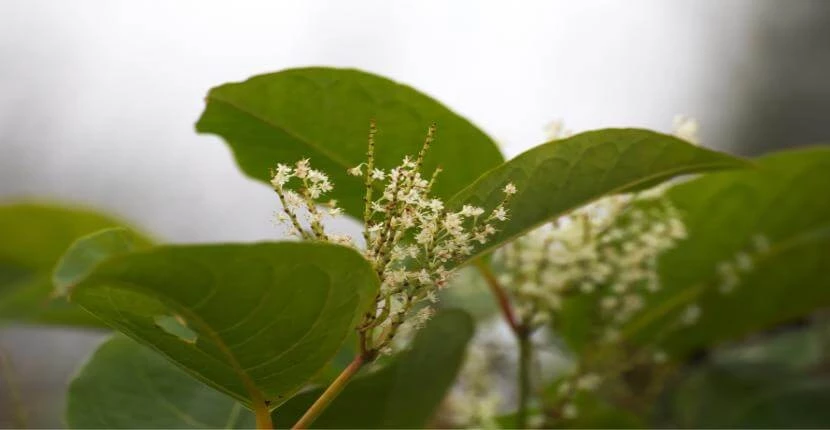
Japanese knotweed is identified by its bamboo-like stems, heart-shaped leaves, and small white flowers. If you notice these features, contact us for a site assessment.
Can knotweed damage my commercial property's foundations?
Yes, Japanese knotweed can damage foundations by penetrating cracks and exerting pressure. This impact can lead to structural instability on commercial properties.
Do I need to remove Japanese knotweed if it's on my neighbour's property?
You are obligated to prevent knotweed spread from your property to others. While not mandatory to remove from the neighbour's property, cooperation is advised.
How often should monitoring occur after removal?
Monitoring should be conducted every six months for two to three years following removal to ensure no regrowth of Japanese knotweed.
Are herbicides safe for the environment?
We use environmentally friendly herbicides approved for knotweed control. These are applied by trained professionals to minimise ecological impact.
Get a Free Quote for Commercial Japanese Knotweed Removal
For effective commercial Japanese knotweed removal, contact Top Japanese Knotweed Removal today.
Related Commercial Japanese Knotweed Removal Services
Commercial properties requiring Japanese knotweed removal can benefit from an initial professional knotweed survey to establish the affected areas. For sites requiring physical clearance, Japanese knotweed excavation can form part of the remediation approach.
Where development or property transactions are involved, knotweed removal for property developers can address project-specific requirements. A management plan for Japanese knotweed can also structure longer-term control.